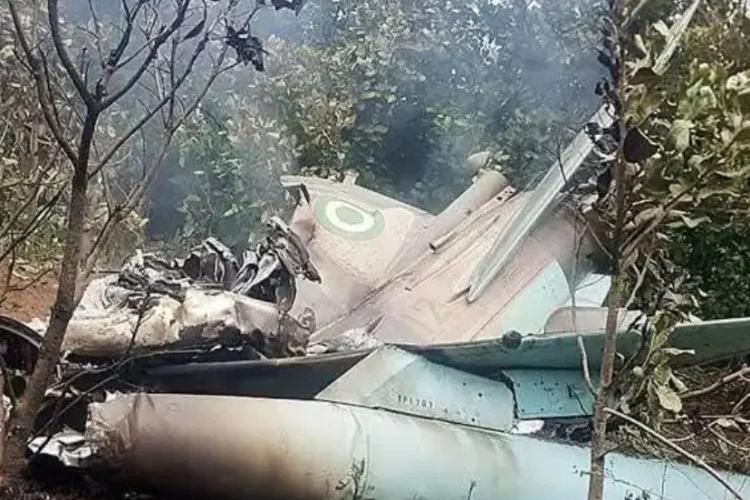
PublicSphere Live
Aviation
UAE Confirms flydubai Co-Pilot Was Planning 9/11-Style Suicide Attack on Ben Gurion Airport
The planned attack was foiled on September 30 when the co-pilot allegedly assaulted the aircraft’s captain with an emergency axe while the plane was travelling from Dubai to Tel Aviv, triggering a struggle inside the cockpit that threatened the lives of everyone on board
The United Arab Emirates has disclosed new details about an alleged terrorist plot by a co-pilot of Dubai-based airline Flydubai, who prosecutors say attempted to seize control of a passenger aircraft and crash it into Israel’s Ben Gurion International Airport in an attack inspired by the September 11, 2001, attacks in the United States.
According to a statement issued on Friday by UAE Attorney-General Hamad Saif al-Shamsi, the suspect had allegedly spent years preparing for the attack, including using previous flights to familiarise himself with the route to Tel Aviv and the layout of the airport he intended to target.
The planned attack was foiled on September 30 when the co-pilot allegedly assaulted the aircraft’s captain with an emergency axe while the plane was travelling from Dubai to Tel Aviv, triggering a struggle inside the cockpit that threatened the lives of everyone on board.
The UAE authorities said the suspect intended to cause the greatest possible loss of life by crashing the aircraft into a passenger terminal at the Israeli airport. The latest disclosure provides the most detailed official account yet of the alleged plot and the events that unfolded aboard Flydubai Flight FZ1073.
Co-Pilot Allegedly Studied Airport Before Attack
The UAE investigation identified the suspect in media reports as Hamam al-Hammami, a 29-year-old Omani national who had previously worked for other airlines, including Oman Air, before joining Flydubai in January 2026.
According to Attorney-General al-Shamsi, investigators found evidence suggesting that the suspect had begun moving towards extremist beliefs as early as 2017, when he was studying in Australia. He allegedly consumed extremist literature and online material glorifying terrorist organisations and suicide attacks, eventually becoming inspired by the September 11 attacks on the United States.
Prosecutors said the suspect used two earlier flights to Tel Aviv to familiarise himself with the route and the airport, while also preparing himself psychologically and physically for the planned operation. His preparations allegedly included consuming terrorist propaganda and taking boxing lessons.
The attorney-general said the suspect had confessed to acting alone, although investigators were continuing to examine evidence and possible connections to other individuals who might have known about or assisted in the alleged plot.
Captain Attacked As Aircraft Plunged 16,000 Feet
The alleged attack unfolded aboard Flight FZ1073 while the aircraft was in Saudi Arabian airspace on September 30.
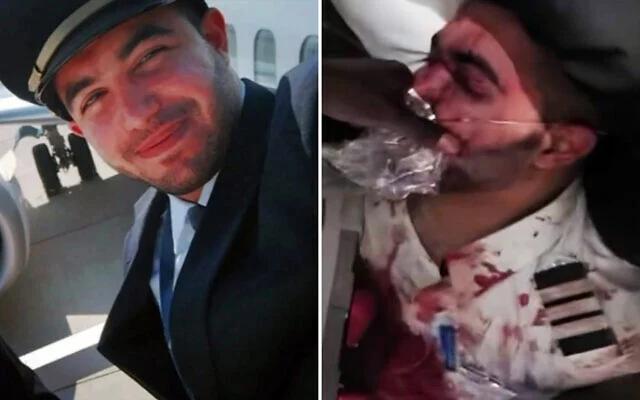
Investigators said the co-pilot attacked the captain, Indian national Smit Machchhar, with an emergency axe kept in the cockpit. Despite sustaining serious head injuries, Machchhar reportedly managed to open the cockpit door, enabling others aboard the aircraft to intervene.
A pilot who was travelling on board for the return flight, together with a cabin crew member and several passengers, helped overpower the suspect. Two other pilots subsequently took control of the aircraft and diverted it to Saudi Arabia, where it landed safely at Tabuk Airport.
The incident was particularly alarming because the aircraft reportedly plunged approximately 16,000 feet, or 4,900 metres, within 30 seconds during the struggle. The sudden descent highlighted the immediate danger facing the passengers and crew before the suspected attacker was subdued.
The aircraft was subsequently taken out of the immediate danger, and the suspect was transferred to the UAE, where the criminal investigation was being conducted.
Airline Screening Procedures Under Scrutiny
The disclosures have raised questions about how a person suspected of harbouring extremist intentions could obtain employment as a commercial airline pilot without triggering security concerns.
According to the UAE attorney-general, investigators reviewed Flydubai's recruitment procedures and found that the suspect had satisfied the applicable professional and security requirements, including holding a pilot's licence and presenting a certificate of good conduct.
Al-Shamsi said the checks had not revealed indications of extremist views or an intention to carry out a terrorist operation.
The suspect had also undergone training with Morocco's Royal Air Maroc in 2025, but the airline said his subsequent application for employment was rejected. His previous employment with Oman Air and his eventual recruitment by Flydubai are among the details being examined as authorities reconstruct his professional history and the development of his alleged plans.
Flydubai had not immediately responded to requests for comment when the reports were published. The UAE authorities' account did not, at that stage, establish wrongdoing by the airline, and the available information did not demonstrate that its recruitment procedures knowingly allowed a terrorist plot to proceed.
Nevertheless, the incident has brought renewed attention to the limitations of conventional background checks when investigators believe that an individual's radicalisation may not be apparent through standard professional screening.
Investigation Continues Into Possible Accomplices
Although the suspect reportedly told investigators that he acted alone, the UAE authorities said their investigation remained open, with further examination of recordings, technical reports, witness statements and possible connections to other individuals.
Israeli security officials were also reported to be participating in the interrogation process. The involvement reflects the cross-border dimension of the case, which concerns an aircraft registered in Dubai, a flight travelling to Israel and an emergency landing in Saudi Arabia.
Saudi Arabia has separately launched an aviation-safety investigation into the incident, according to Reuters. That inquiry is distinct from the UAE's criminal investigation into the alleged attempted hijacking and planned attack.
The Times of Israel also reported that the suspect could face the death penalty, citing an Israeli media report quoting an Emirati source. However, that report should not be taken as confirmation that a sentence has been imposed or that the legal proceedings have reached that stage.
The UAE attorney-general said further information would be released as the investigation progresses.
The case has therefore moved beyond the immediate question of how the aircraft was saved to broader concerns about the prevention of politically motivated violence, the detection of extremist intentions and the security of international commercial aviation.
For the passengers aboard Flight FZ1073, the intervention of the injured captain, fellow pilots, cabin crew and passengers prevented what UAE prosecutors describe as a planned mass-casualty attack. The final findings of the investigation are expected to clarify the full circumstances surrounding the alleged plot, including whether the suspect acted entirely alone and whether any security weaknesses contributed to the incident.
Source: The Times of Israel, reporting by Reuters and Times of Israel staff, October 9, 2026. Additional details were cross-checked against Reuters' report.