 PublicSphere Live
Politics
2027: Atiku Urges Nigerians To Collect PVCs, Says Economic Hardship And Insecurity Demand Change
The former vice president painted a grim picture of the difficulties confronting households, arguing that the rising cost of living has placed enormous pressure on parents, pensioners and young Nigerians struggling to meet their basic needs.
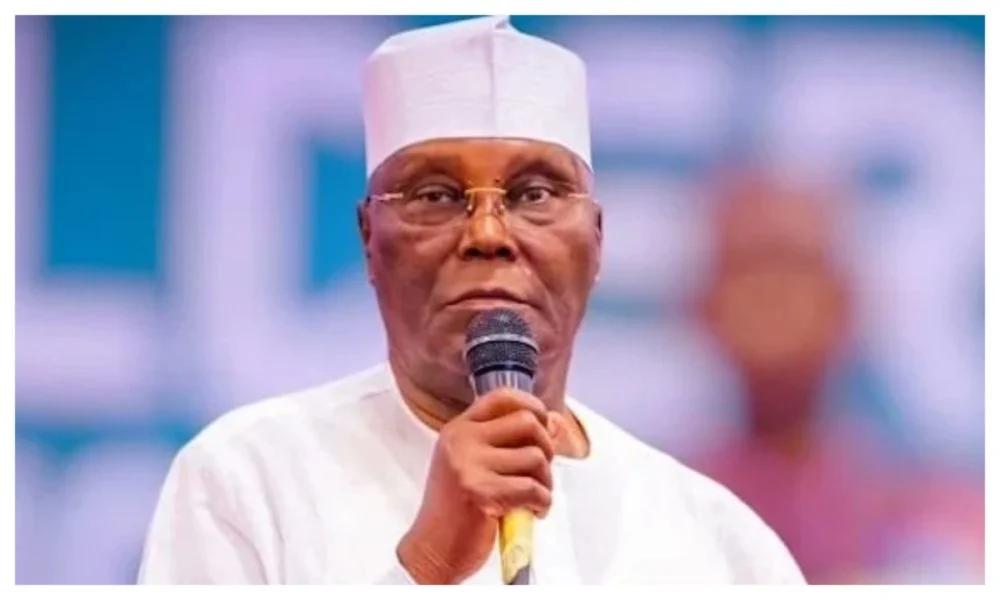
Former Vice President Atiku Abubakar has urged Nigerians across the country to obtain their Permanent Voter Cards (PVCs) ahead of the 2027 general elections, describing participation in the electoral process as a vital means of demanding change amid worsening economic hardship and persistent insecurity.
Atiku, the presidential candidate of the African Democratic Congress (ADC), made the appeal in a post on his X handle on Wednesday, October 14, 2026, calling on Nigerians of all ages to take their civic responsibilities seriously as the country prepares for another round of general elections.
The former vice president painted a grim picture of the difficulties confronting households, arguing that the rising cost of living has placed enormous pressure on parents, pensioners and young Nigerians struggling to meet their basic needs.
According to him, many parents are finding it increasingly difficult to provide food for their children, while retired workers are grappling with the challenge of purchasing essential medicines and putting meals on their tables.
He also highlighted the financial pressures confronting young Nigerians, noting that a significant portion of their earnings is consumed by transportation costs, rent and other necessities, leaving little room for savings or meaningful improvements in their standard of living.
Atiku linked these economic difficulties to the wider concerns over insecurity, particularly the persistent fear of kidnapping and attacks that have disrupted the lives of families in different parts of the country.
He maintained that Nigerians should not be forced to endure hunger and insecurity simultaneously, warning against a situation in which present-day hardships become the inheritance of future generations.
“If you are a registered voter, please go and collect your PVC. Hold on to it. It is your voice, your choice and your peaceful power to demand change,” he said.
PVCs As Instruments of Democratic Participation
Atiku's appeal comes as political parties and prospective candidates intensify their preparations for the 2027 general elections, with voter mobilisation expected to become a major feature of the emerging political contest.
The PVC remains an important instrument for eligible Nigerians to participate in elections, making its collection a critical step for citizens who have completed the registration process but have yet to obtain their cards.
By urging Nigerians to collect their PVCs, Atiku is seeking to direct public frustration over economic conditions and insecurity towards electoral participation rather than political apathy.
His message also underscores the importance of citizens exercising their constitutional right to choose their leaders, particularly at a time when the performance of elected officials is likely to feature prominently in political campaigns.
For the ADC presidential candidate, the 2027 elections represent an opportunity for Nigerians dissatisfied with the prevailing situation to express their preferences through the ballot.
However, voter mobilisation alone may not guarantee the level of participation required for a credible democratic process. The willingness of eligible voters to collect their cards and turn out on election day will also depend on public confidence in the electoral system, the security of polling locations and assurances that their votes will be counted.
Economic Hardship At The Centre Of The Political Debate
Atiku's remarks place the economic circumstances of ordinary Nigerians at the centre of the developing debate ahead of the 2027 elections.
His reference to parents struggling to feed their children reflects the pressure that high living costs can place on household budgets, particularly among low-income earners whose incomes may not have kept pace with increases in the prices of essential goods and services.
For pensioners, the difficulties he identified extend beyond food expenses to healthcare and access to medicines. Retired workers on limited incomes can be particularly vulnerable when the cost of living rises, especially where pension payments are insufficient to cover basic necessities.
Young people, meanwhile, face a combination of transportation expenses, high rents, limited employment opportunities and the cost of maintaining a reasonable standard of living. For many, these pressures can undermine their ability to save, establish independent households or invest in their future.
By highlighting these different experiences, Atiku sought to present the economic crisis as a concern that cuts across generations and social groups rather than one confined to a particular section of the population.
His intervention also signals the likely prominence of economic management in the 2027 campaign, as political parties seek to convince voters that their policies and leadership can improve living conditions.
The challenge for political actors, however, will be to move beyond expressions of sympathy and present credible proposals for addressing inflationary pressures, unemployment, weak purchasing power and the difficulties confronting vulnerable households.
Insecurity And The Fear Of Attacks
Beyond economic concerns, Atiku expressed worry over the insecurity confronting families, particularly the fear of kidnapping and attacks.
Insecurity has wider consequences than the immediate loss of lives, injuries or ransom payments. The threat of violence can disrupt farming, trading, schooling and other economic activities, while forcing families to divert scarce resources towards protection and relocation.
For communities exposed to repeated attacks, fear can also restrict movement and undermine confidence in the ability of government institutions to guarantee safety.
Atiku's argument that families should not have to contend with hunger and insecurity simultaneously reflects the connection between economic welfare and personal safety. Where livelihoods are threatened by both financial hardship and violence, the burden on households can become especially severe.
The issue is likely to feature prominently in political discussions ahead of the elections, with voters expected to assess the ability of candidates to provide security, protect communities and restore confidence in public institutions.
Nevertheless, addressing insecurity requires more than campaign promises. It demands effective intelligence gathering, professional policing, improved coordination among security agencies, stronger criminal justice institutions and measures to address the conditions that enable violent groups to operate.
A Call For Political Participation
Atiku's appeal also raises concerns about voter apathy and the need to encourage greater participation in the electoral process.
When citizens feel that economic conditions are deteriorating or that elected officials are not responding adequately to their concerns, some may become disillusioned with politics and question whether voting can make a meaningful difference.
Such disengagement can weaken democratic accountability by reducing the number of citizens actively involved in choosing their representatives.
Atiku's message seeks to counter that possibility by presenting the PVC as a means through which Nigerians can influence the country's political direction peacefully.
His call, however, is directed not only at those who already support the ADC but at Nigerians across different age groups and political persuasions. The effectiveness of the appeal will ultimately depend on whether citizens see electoral participation as a credible means of influencing public policy and improving governance.
The Independent National Electoral Commission (INEC) also has an important role in ensuring that voter registration and PVC collection processes are accessible, transparent and properly communicated. Eligible voters who have completed registration but have not collected their cards will need clear information about the appropriate procedures and collection arrangements.
As preparations for the 2027 elections continue, political parties, civil society organisations and electoral authorities are expected to intensify voter education and mobilisation efforts.
For Atiku, the central message is that Nigerians should not allow frustration over economic hardship and insecurity to deprive them of the opportunity to participate in determining the country's leadership.
Whether that appeal translates into increased voter participation will depend on the response of citizens, the credibility of the electoral process and the extent to which competing political parties can persuade the electorate that they have workable solutions to the nation's pressing challenges.