 PublicSphere Live
Blue Economy
NIMASA Detains Four Vessels in Lagos Over Cabotage Violations, Warns Operators of Stiff Sanctions
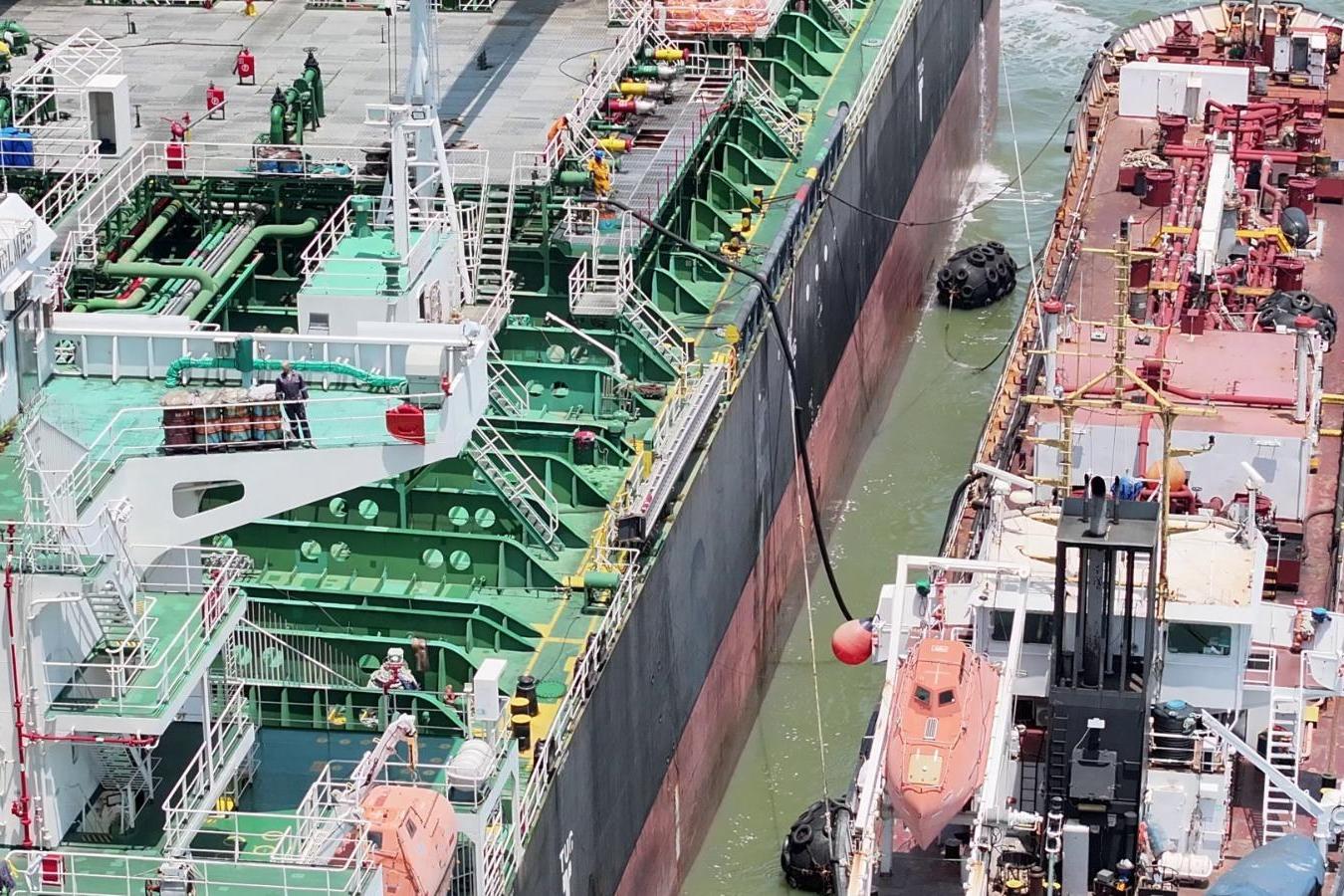
The enforcement operation, code-named Operation Sea Guardian, targeted vessels identified through intelligence gathering, surveillance profiling and compliance assessments within the Lagos maritime domain.
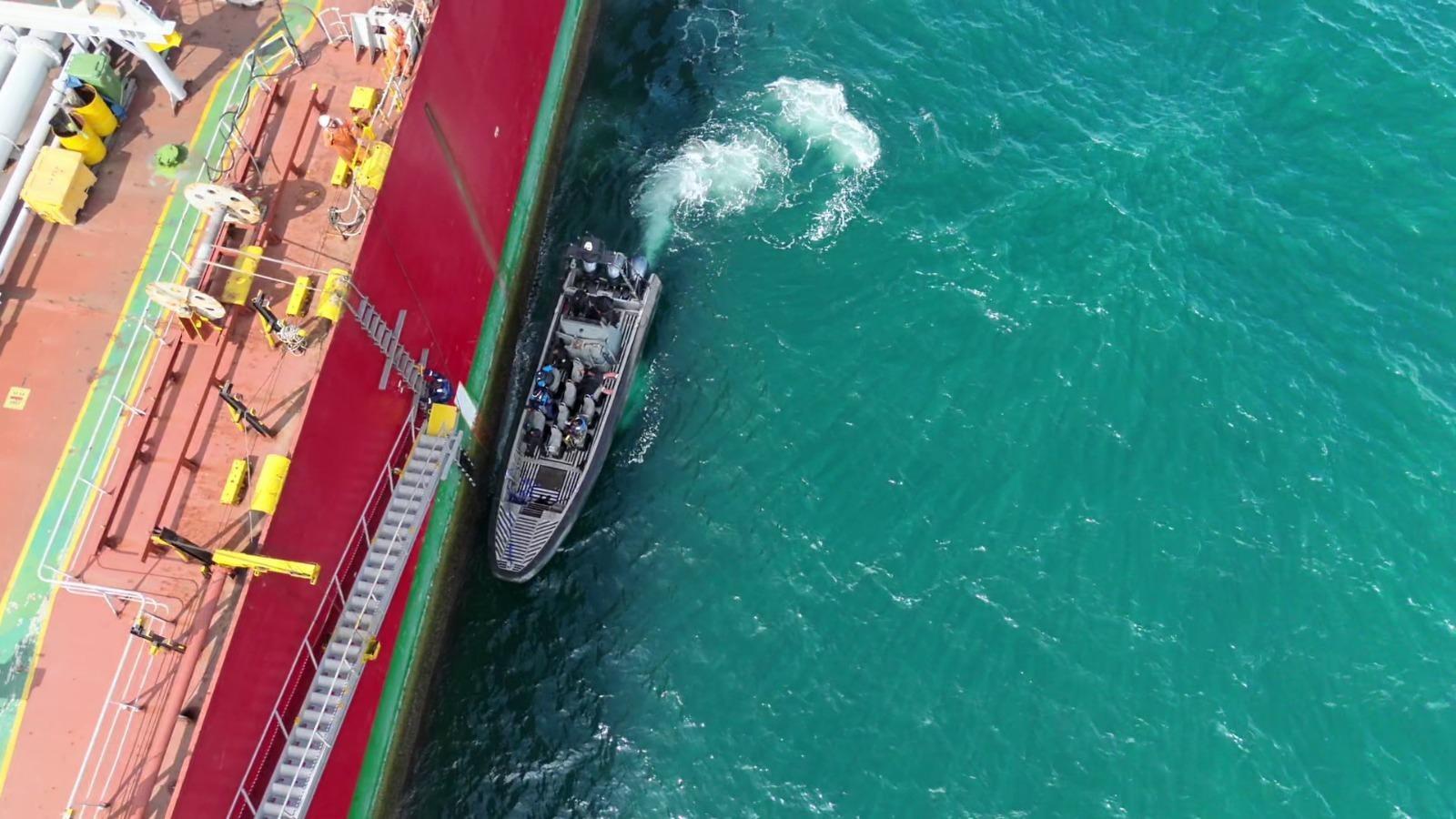

The Nigerian Maritime Administration and Safety Agency (NIMASA) has intensified its enforcement of the Coastal and Inland Shipping (Cabotage) Act, detaining several vessels suspected of violating maritime regulations in Nigerian waters as part of a renewed drive to protect indigenous participation in the nation’s shipping industry.
The enforcement operation, code-named Operation Sea Guardian, targeted vessels identified through intelligence gathering, surveillance profiling and compliance assessments within the Lagos maritime domain.
Among the vessels arrested and detained during the exercise were MT HOLMES, MT FUJAIRAH ENERGY, JS GRATITUDE and MT BORA. NIMASA disclosed that some of the affected vessels had since been released after regularising their infractions.
The operation underscores the agency’s determination to ensure that vessel owners, shipping companies, charterers and other maritime stakeholders comply with the laws governing coastal and inland shipping, including obligations relating to indigenous participation, applicable surcharges and statutory levies.
The latest enforcement exercise also signals a tougher regulatory approach by the agency, which has warned that future operations will become more frequent and that operators found violating relevant laws will face sanctions.
Director-General of NIMASA, Dr. Dayo Mobereola, said the operation was consistent with the agency’s earlier commitment to strengthen enforcement of indigenous participation in Nigeria’s coastal and inland trade.
According to him, operators have been given sufficient notice to comply with the applicable regulations and should not expect leniency if they continue to disregard the law.
“We had earlier served notice of enhanced enforcement of indigenous participation in our coastal and inland trade and this is exactly what we are doing. It is therefore in the interest of operators to ensure total compliance because defaulters will be visited with stiff sanctions in line with the law,” Mobereola said.
Intelligence-Driven Operation Targets High-Risk Vessels
NIMASA explained that Operation Sea Guardian was designed as a follow-up enforcement initiative aimed at improving regulatory compliance and verifying whether vessels operating within Nigerian waters were meeting their statutory obligations.
Rather than relying solely on routine inspections, the agency deployed an intelligence-led approach to identify vessels considered likely to be in breach of the Cabotage Act and other applicable maritime regulations.
The process involved intelligence gathering, surveillance profiling and the examination of compliance indicators to establish which vessels required closer scrutiny.
Vessels identified through this process were prioritised for inspection and subsequently added to a broader database known as the Target Bank, which was established during an earlier enforcement operation.
The Target Bank serves as a consolidated repository of vessels of interest, enabling NIMASA and its enforcement partners to coordinate surveillance activities, plan inspections and direct operational resources towards vessels considered to present a higher risk of non-compliance.
By maintaining and updating the database, the agency seeks to improve the effectiveness of its enforcement operations and ensure that suspected violations are investigated systematically.
The approach also allows the agency to build on information gathered during previous exercises, rather than treating each enforcement operation as an isolated activity.
NIMASA said the operation involved the deployment of assets under its Deep Blue Project to track, board, inspect and verify the operational status of the targeted vessels.
The exercise was conducted through inter-agency collaboration involving NIMASA enforcement personnel, the Nigerian Navy, the Maritime Guard Command and C4i intelligence personnel.
The participation of these institutions reflects the importance of cooperation among maritime regulators, security agencies and intelligence units in monitoring shipping activities and enforcing the law within Nigeria’s territorial waters.
Deep Blue Assets Support Maritime Surveillance
The deployment of Deep Blue assets was a significant component of the operation, providing additional surveillance and operational support for the identification and inspection of vessels suspected of defaulting on their obligations.
The Deep Blue Project is Nigeria’s integrated maritime security initiative, developed to strengthen the country’s capacity to address threats within its maritime domain through coordinated surveillance, intelligence gathering and operational responses.
Its assets and personnel support efforts to improve maritime security, protect shipping activities and enhance the ability of relevant authorities to respond to suspicious or unlawful activities at sea.
Under Operation Sea Guardian, the resources were used to help locate and monitor vessels identified through intelligence reports before enforcement personnel boarded and inspected them.
The involvement of the Nigerian Navy and other relevant units also provided an additional layer of coordination, particularly in a maritime environment where effective enforcement requires reliable intelligence, operational readiness and cooperation between agencies with complementary responsibilities.
NIMASA's latest action therefore combines regulatory oversight with maritime surveillance, seeking to ensure that vessels operating in Nigerian waters meet the requirements imposed by the country's shipping laws.
However, the agency's enforcement drive will ultimately depend not only on the ability to detain vessels but also on the consistent application of the law, the timely resolution of alleged violations and the imposition of appropriate penalties where breaches are established.
Cabotage Law And Protection Of Indigenous Shipping
The enforcement exercise is closely linked to the objectives of Nigeria's Coastal and Inland Shipping (Cabotage) Act, which was introduced to promote the participation of Nigerians in domestic maritime transportation and strengthen the capacity of indigenous shipping operators.
Cabotage generally refers to the transportation of goods and passengers between ports or locations within a country's territorial jurisdiction. In Nigeria, the regulatory framework is intended to give qualified Nigerian operators a stronger role in coastal and inland shipping while establishing conditions under which vessels and operators may participate in such trade.
The policy is particularly important to Nigeria because of the country's extensive coastline, inland waterways, oil and gas activities, and dependence on maritime transportation for the movement of significant volumes of cargo.
A stronger indigenous shipping industry could help expand local investment in vessels, maritime services, seafarer training, ship management and other activities across the maritime value chain.
It could also create opportunities for employment and skills development among Nigerians, while retaining a greater proportion of shipping-related economic activity within the country.
Nevertheless, achieving these objectives requires more than the existence of legislation. It also depends on effective enforcement, access to finance, adequate maritime infrastructure, technical capacity and a business environment in which Nigerian operators can compete sustainably.
Where regulations designed to promote indigenous participation are weakly enforced, operators that invest in meeting statutory requirements may find themselves competing against others that avoid the costs associated with compliance.
Such a situation could undermine the intended benefits of the Cabotage Act and discourage investment in domestic shipping capacity.
NIMASA's latest operation appears intended to address this challenge by demonstrating that compliance obligations will be actively monitored and that suspected violations will attract regulatory attention.
The agency's emphasis on surcharges and levies also highlights the financial dimension of maritime regulation, although the specific infractions attributed to each of the detained vessels were not detailed in the announcement.
August Marine Notice Preceded The Enforcement Exercise
The operation followed a marine notice issued by NIMASA on August 26, 2026, in which the agency restated the requirements governing participation in Cabotage trade.
The notice was issued pursuant to the agency's statutory mandate to promote the development of indigenous capacity in international and coastal shipping trade.
It reminded stakeholders of the conditions governing Cabotage operations and warned that vessels, companies, operators, charterers and other stakeholders found to be in breach of the Cabotage Act or other applicable requirements would face enforcement action in accordance with the law.
The notice stated that violators would be subject to appropriate enforcement measures without further recourse to them.
The subsequent launch of Operation Sea Guardian represents a practical demonstration of that warning, moving the agency's message from regulatory communication to direct operational enforcement.
By identifying vessels through intelligence and surveillance, boarding them for inspection and detaining those found to be non-compliant, NIMASA is seeking to establish a more effective system of monitoring maritime activities.
The release of some vessels after their operators regularised their infractions also suggests that the enforcement process allows for corrective action where the relevant requirements have been satisfied.
However, NIMASA has not disclosed the individual compliance issues associated with MT HOLMES, MT FUJAIRAH ENERGY, JS GRATITUDE and MT BORA, nor has it provided a breakdown of any sanctions imposed or payments made by operators whose vessels have been released.
Further details on the specific breaches, the applicable legal provisions and the penalties imposed would help stakeholders better understand the practical implications of the operation.
Operators Face Tougher Compliance Expectations
Mobereola's warning that enforcement operations will become more frequent sends a clear message to shipping companies and other maritime operators that compliance should be treated as a continuing operational responsibility rather than a requirement to be addressed only when inspections occur.
For vessel owners, charterers and shipping companies, this means ensuring that the necessary authorisations, documentation, statutory payments and other applicable Cabotage requirements are in order before engaging in regulated coastal and inland shipping activities.
Operators will also need to pay attention to the obligations attached to their particular activities, as the requirements applicable to one category of vessel or operation may differ from those governing another.
A more consistent enforcement regime could improve regulatory discipline and create a more predictable environment for operators that comply with the law.
At the same time, effective enforcement should be accompanied by clear guidance, transparent procedures and timely decisions on compliance disputes. These measures would help ensure that legitimate businesses can resolve regulatory issues without unnecessary delays and that enforcement decisions are applied consistently.
For a country seeking to strengthen its maritime economy, the objective should be to establish a system in which regulatory compliance protects public interests while encouraging investment, fair competition and the growth of indigenous businesses.
Maritime Industry Watches Next Phase of Enforcement
Operation Sea Guardian represents another step in NIMASA's efforts to strengthen oversight of Nigeria's coastal and inland shipping trade through intelligence-led inspections and coordinated maritime enforcement.
The detention of the four named vessels, together with the release of some vessels whose operators have regularised their infractions, demonstrates the agency's willingness to use its enforcement powers to secure compliance.
The broader significance of the exercise, however, will depend on whether the intensified approach is sustained and whether it produces measurable improvements in adherence to maritime regulations and indigenous participation in the shipping industry.
Nigeria's maritime sector has the potential to contribute significantly to economic diversification through shipping, port services, logistics, offshore operations and related industries. Realising that potential requires a regulatory environment that discourages violations while giving responsible operators confidence to invest and expand.
NIMASA's warning that defaulters will face stiff sanctions therefore places the responsibility squarely on maritime stakeholders to review their operations and comply with the relevant legal requirements.
With the agency promising more frequent enforcement operations, shipping companies and other operators have been put on notice that vessels identified as high-risk targets may face increased scrutiny.
For NIMASA, the challenge will be to sustain the momentum, ensure that enforcement actions are supported by verifiable evidence, and apply the law consistently in a manner that protects Nigeria's maritime interests and advances the development of indigenous shipping capacity.