 PublicSphere Live
Energy
APC Accuses Atiku, ADC of Plot to Discredit Tinubu’s Kaduna Campaign Flag-Off
The council alleged that the purported operation was designed to discredit Tinubu, Kaduna State Governor Uba Sani, the APC leadership and the presidential campaign rally.
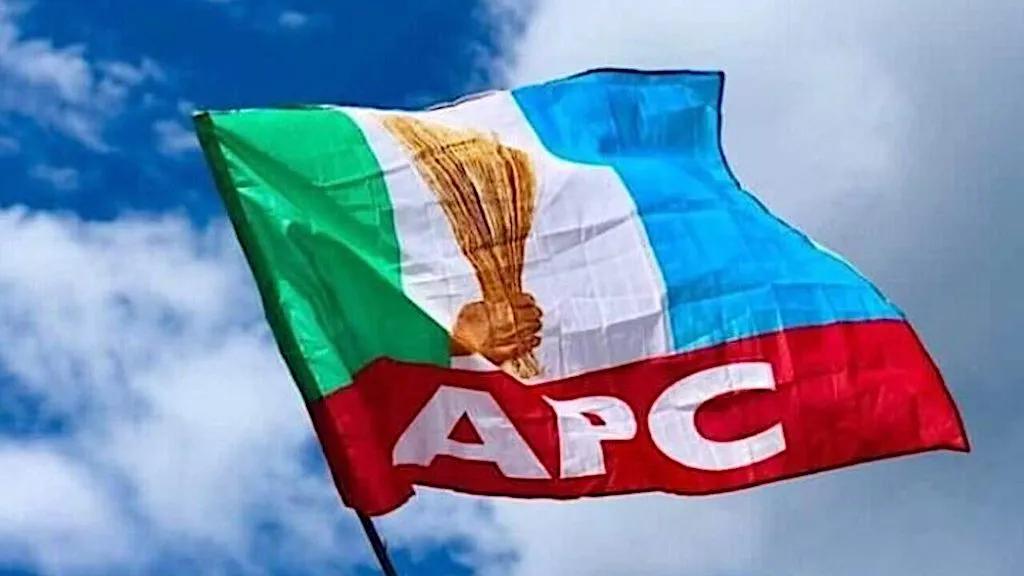
The All Progressives Congress (APC) Presidential Campaign Council has accused former Vice President Atiku Abubakar and the African Democratic Congress (ADC) of allegedly plotting to discredit President Bola Tinubu’s presidential campaign flag-off in Kaduna State through what it described as coordinated misinformation and fake news.
The allegation was contained in a statement issued on Saturday, October 24, 2026, by Dele Alake, spokesperson for the APC Presidential Campaign Council, who claimed that misleading reports, manipulated documents and doctored videos were being circulated to undermine the campaign event.
The council alleged that the purported operation was designed to discredit Tinubu, Kaduna State Governor Uba Sani, the APC leadership and the presidential campaign rally.
However, the allegations represent the position of the APC campaign council, and the statement did not provide independent evidence establishing that Atiku or the ADC directed the alleged activities.
According to Alake, the council had observed what it described as a coordinated attempt to manipulate public perception of the rally through conventional media outlets and social media platforms, including the alleged use of artificial intelligence-generated materials, deepfake videos and counterfeit documents.
The APC spokesperson said the alleged campaign began with the circulation of a photograph showing a security vehicle on routine patrol at a junction near an APC campaign billboard in Kaduna metropolis.
He claimed that the image was subsequently presented in a manner suggesting that security personnel had been deployed specifically to protect APC billboards ahead of the rally.
Alake further alleged that a national newspaper published a report based on what the council considered a distorted interpretation of the photograph, after which Atiku shared the report on his official social media accounts.
The statement did not identify the newspaper by name or provide the relevant publication for independent assessment.
The APC campaign council maintained that the incident was part of a broader attempt to create a negative impression of the party's preparations for the campaign flag-off.
APC Questions Alleged N2.3 Trillion Rally Expenditure
The council also raised concerns over a purported letter allegedly attributed to Governor Uba Sani and addressed to the Director-General of the APC Presidential Campaign Council, Senator Abdulaziz Yari.
According to Alake, the document claimed that the Kaduna State Government had released N2.3 trillion to host the APC presidential campaign rally.
The spokesperson dismissed the purported expenditure figure as implausible, arguing that it was substantially higher than the state's annual budgets for the years cited in the statement.
To support its position, the APC council listed Kaduna State's budgets for 2024, 2025 and 2026 as N458.271 billion, N790.439 billion and N985.9 billion, respectively.
The combined figure for the three years is N2.23461 trillion, which is approximately N65.39 billion below N2.3 trillion.
Alake argued that the purported rally expenditure would therefore exceed the state's entire budget for each of those years and called on Nigerians to question the authenticity of the document.
The statement, however, did not include a forensic examination of the letter or independent confirmation from the Kaduna State Government establishing whether the document was fabricated.
The alleged N2.3 trillion allocation could not be independently verified from the information contained in the statement.
APC Warns Against Doctored Videos
The campaign council further alleged that old footage, manipulated recordings and deepfake videos could be circulated during the rally to create the impression that residents of Kaduna State were opposed to the APC campaign.
Alake said the council had decided to alert the public ahead of the event, urging Nigerians to exercise caution when encountering campaign-related information online.
He called on citizens to scrutinise photographs, videos, documents and reports before sharing them, particularly where the materials could influence public perception of political parties and candidates ahead of the 2027 general elections.
The allegation comes at a time when political parties and their supporters are increasingly relying on social media to disseminate campaign messages, respond to criticism and mobilise supporters.
The use of artificial intelligence in producing or altering audiovisual materials has also raised concerns about the potential circulation of misleading political content, especially where fabricated recordings are presented as genuine statements or events.
Nevertheless, determining whether a particular video, photograph or document has been manipulated requires examination of the original material and supporting evidence.
Political Tensions Ahead Of 2027 Elections
The controversy highlights the increasingly competitive political environment ahead of the 2027 general elections, with the APC seeking to promote Tinubu's re-election campaign while opposition parties prepare to challenge the ruling party.
The Kaduna campaign flag-off is an important political event for the APC as it seeks to mobilise party supporters and communicate its message to voters.
The allegations against Atiku and the ADC also underline the need for political actors to substantiate claims of disinformation with verifiable evidence rather than relying solely on accusations against their opponents.
Neither the alleged circulation of the security-vehicle photograph nor the purported letter, as described in the APC statement, independently establishes that Atiku or the ADC orchestrated a disinformation campaign.
A response from Atiku or the ADC would be necessary to present their position on the allegations.
The controversy also raises broader questions about the responsibility of political parties, media organisations and social media users to verify information before publishing or circulating it.
As campaigns gather momentum, misleading claims and counterclaims could complicate efforts by voters to distinguish authentic information from politically motivated allegations.
For the public, the most reliable approach is to examine the provenance of disputed materials, seek confirmation from the institutions or individuals concerned and rely on independently verifiable evidence.
The APC Presidential Campaign Council urged Nigerians to remain vigilant against what it described as attempts to manipulate public opinion, while its allegations await independent verification.
By the APC Presidential Campaign Council's account, the dispute centres on two principal claims: the interpretation of a photograph showing a security vehicle near an APC billboard and a purported letter alleging a N2.3 trillion state expenditure on the rally. The authenticity and circumstances of the materials, as well as the alleged involvement of Atiku and the ADC, remain matters requiring further verification.