 PublicSphere Live
Business
GTCO Fashion Weekend: Lagos Prepares For Celebration Of African Style, Creativity, Enterprise
The two-day event will bring designers, fashion entrepreneurs and enthusiasts together, with a focus on showcasing African talent, expanding business opportunities and strengthening Nigeria’s creative economy.
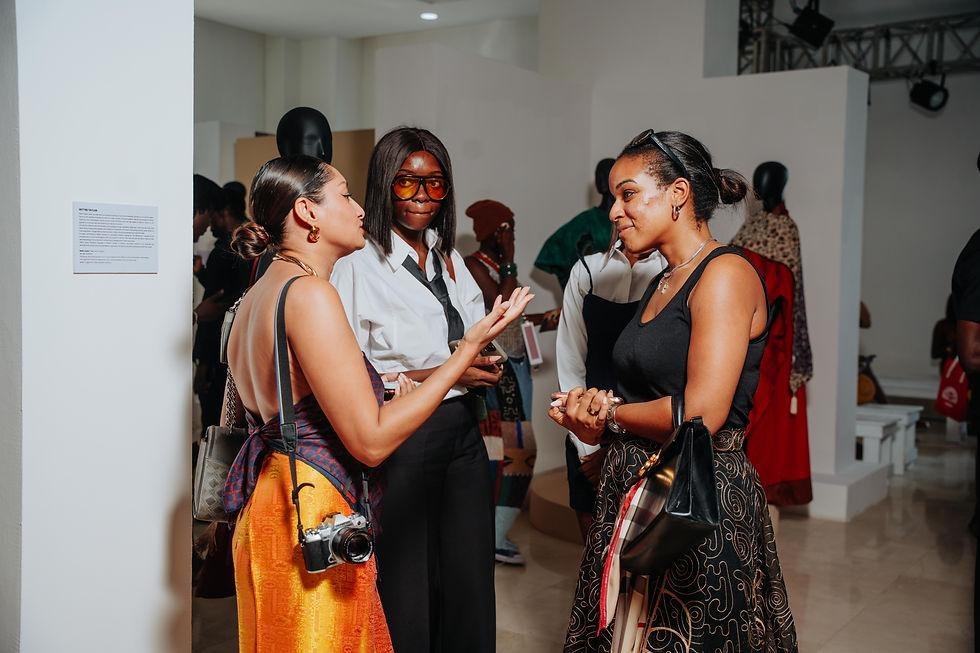
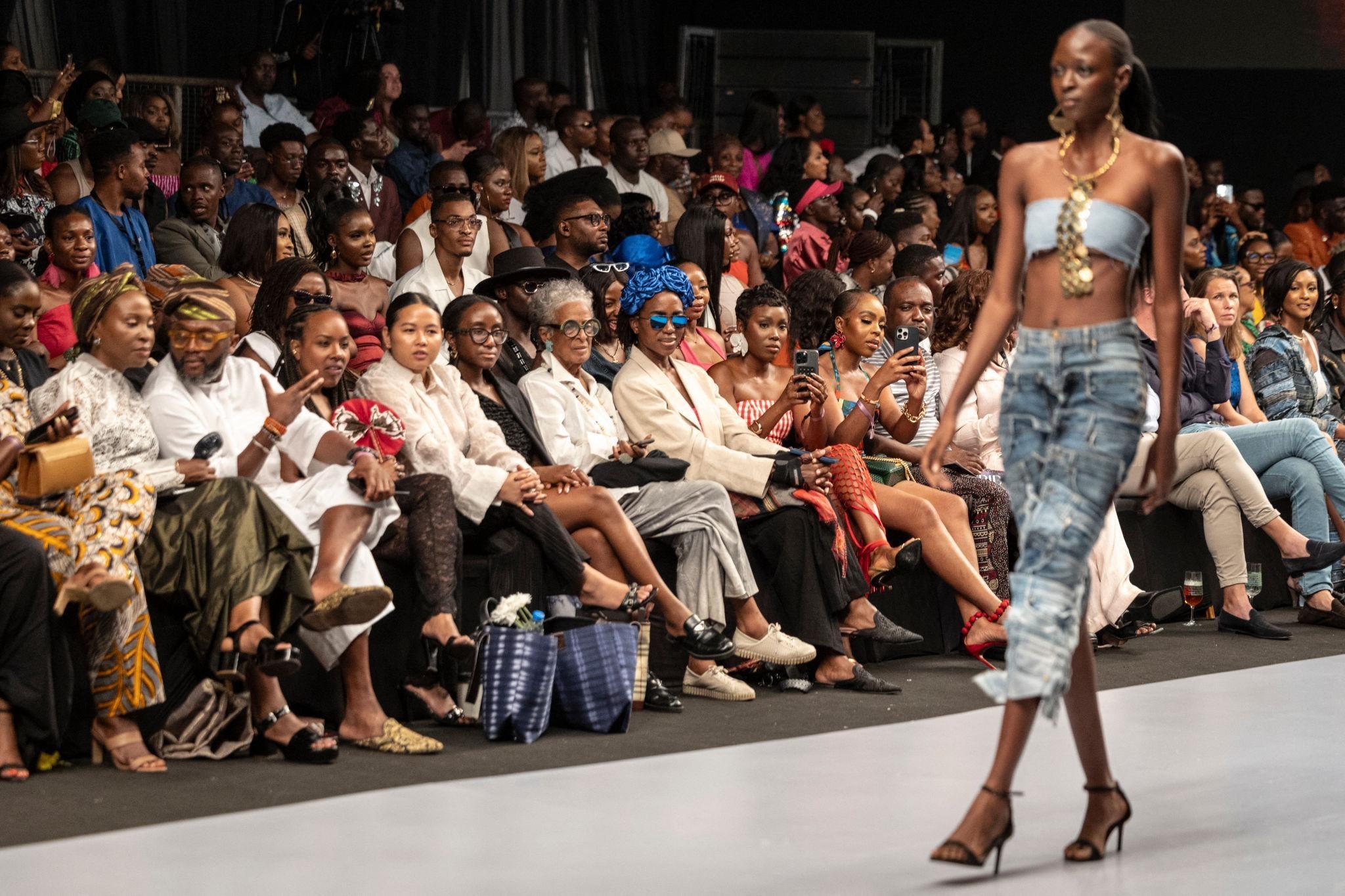
LAGOS — The Nigerian fashion industry will take centre stage as the Guaranty Trust Holding Company (GTCO) prepares to host the 2026 edition of its Fashion Weekend, an initiative designed to showcase African creativity while creating opportunities for fashion entrepreneurs to expand their businesses and reach new markets.
Scheduled for November 7 and 8, 2026, the event will take place in Lagos, bringing together fashion designers, models, industry professionals, small-business owners and enthusiasts for two days of runway presentations, retail experiences and capacity-building activities.
The annual programme, which began in 2016, has grown beyond a conventional fashion show into a platform combining creative expression with commercial enterprise, offering Nigerian and other African fashion brands an opportunity to present their work to a wider audience.
According to the organisers, the 2026 edition will feature runway shows showcasing contemporary African fashion, retail experiences through which consumers can discover and purchase products, and online masterclasses facilitated by fashion industry experts.
The event is also expected to provide hundreds of indigenous fashion businesses with opportunities to improve their online visibility, reach new customers and position themselves for sustainable growth.
The initiative comes at a time when Nigeria's creative industries are increasingly recognised for their potential to generate employment, promote cultural identity and contribute to economic diversification.
Beyond the glamour of the runway, GTCO Fashion Weekend represents an effort to connect creative talent with the business opportunities required to build sustainable enterprises in a competitive market.
Beyond The Runway
Fashion shows are traditionally associated with models displaying collections before audiences of designers, buyers, celebrities and fashion enthusiasts. However, GTCO Fashion Weekend adopts a broader approach by combining runway presentations with retail and business development opportunities.
The organisers say the platform is designed to showcase the best of African fashion to a global audience while promoting enterprise in the continent's growing fashion industry.
This approach recognises that the success of a fashion brand depends not only on the quality of its designs but also on its ability to attract customers, manage production, establish distribution channels and generate sustainable revenue.
For emerging designers, participation in a major fashion event can provide exposure that might otherwise be difficult to achieve. It can introduce their work to potential customers, retailers, stylists, media organisations and other professionals whose relationships may help their businesses grow.
The retail component also allows participating businesses to engage directly with consumers, display their products and assess market reactions.
For small fashion enterprises, such opportunities can be particularly valuable because limited marketing budgets and inadequate access to established distribution networks often constrain their growth.
The event therefore seeks to create a meeting point between creativity and commerce, enabling designers to demonstrate their artistic abilities while exploring ways to turn their talents into viable businesses.
Supporting Small Businesses
Small and medium-sized enterprises constitute an important part of Nigeria's entrepreneurial landscape, and fashion provides opportunities for businesses operating at different levels of production and distribution.
From tailoring workshops and textile businesses to ready-to-wear labels, accessories manufacturers and fashion retailers, the sector supports a chain of activities capable of generating income and employment.
GTCO Fashion Weekend has placed these businesses at the centre of its programme by providing retail opportunities and educational activities intended to improve their competitiveness.
The company's published figures for the period between 2016 and 2025 indicate that the event attracted more than 700,000 fashion enthusiasts, provided a platform for 410 small-business owners and featured 69 fashion industry leaders from 13 countries.
During the same period, GTCO reported presenting 45 runway shows, 39 masterclasses and 19 fashion presentations. The company also reported that the event generated more than one million pieces of user-generated content and millions of online impressions.
These figures, published by the organiser, provide an indication of the event's development over the years and its reach among fashion enthusiasts and businesses.
For participating entrepreneurs, however, the ultimate measure of success will be whether the visibility gained translates into increased sales, stronger customer relationships, new partnerships and sustainable business expansion.
The opportunity is especially important for emerging designers who may possess the technical ability to produce distinctive garments but lack the resources to market their work effectively.
By connecting these entrepreneurs with a broader audience, the event can help reduce some of the barriers between creative talent and commercial opportunity.
Masterclasses To Strengthen Fashion Entrepreneurship
Another major feature of the 2026 edition will be its online masterclass series, designed to provide fashion entrepreneurs and enthusiasts with access to knowledge from industry professionals.
The announced areas include fashion business, styling and fashion journalism, reflecting the different skills required to develop a successful fashion brand and sustain a career in the industry.
Building a fashion business requires more than the ability to design attractive clothing. Entrepreneurs must understand their customers, determine appropriate prices, manage production costs, maintain quality and develop effective marketing strategies.
They must also understand how to use digital platforms to promote their products, communicate with consumers and generate sales.
The masterclasses are intended to provide participants with insights into ways of building and sustaining fashion brands in a changing business environment.
Fashion styling and journalism also contribute to the industry's development. Styling helps shape the presentation and identity of collections, while fashion journalism documents trends, profiles designers and connects creative businesses with wider audiences.
The educational component consequently broadens the event's relevance beyond designers, offering learning opportunities to people interested in different aspects of the fashion value chain.
For Nigeria's young creative professionals, these skills can support entrepreneurship and open career opportunities in marketing, photography, media, retail management, event production and other related fields.
African Culture And Global Fashion
GTCO Fashion Weekend also provides an opportunity to highlight the cultural influences shaping contemporary African fashion.
Nigeria's diverse cultural traditions offer designers a rich source of inspiration, from indigenous textiles and weaving techniques to traditional embroidery, beadwork and ceremonial clothing.
Materials such as Aso-Oke and Adire, alongside contemporary interpretations of Ankara and other fabrics, demonstrate how designers can draw from cultural heritage while developing products suited to modern tastes.
By combining traditional influences with contemporary silhouettes, colours and production techniques, Nigerian designers can create distinctive identities for their brands.
This process can also contribute to cultural preservation by sustaining interest in traditional craftsmanship and creating commercial opportunities for artisans and textile producers.
African fashion's international appeal depends partly on its ability to communicate distinctive stories through clothing. Designs inspired by local traditions can introduce global consumers to Nigeria's cultural diversity while presenting a modern image of the country.
However, transforming cultural appeal into sustained commercial success requires more than publicity. Designers need consistent quality, effective branding, competitive pricing and access to reliable production and distribution systems.
GTCO Fashion Weekend offers a platform for showcasing that creative potential and encouraging greater engagement with African fashion.
Fashion As An Engine Of Employment And Economic Growth
The economic significance of fashion extends beyond the designer whose name appears on a label.
A garment may involve fabric suppliers, tailors, pattern makers, embroiderers, photographers, models, transport operators, retailers and digital marketers before reaching its final customer.
When these activities are undertaken locally, they can support businesses and create employment across several parts of the economy.
Fashion entrepreneurship can also provide entry points for young people seeking to develop practical skills and establish their own businesses.
A small tailoring operation, for instance, can grow into a workshop employing several workers, while a successful designer may expand into ready-to-wear production, retail outlets or online sales.
The wider benefits become more substantial when growing businesses invest in training, purchase locally produced materials and develop reliable supply chains.
Nevertheless, Nigerian fashion enterprises continue to face challenges associated with production costs, access to finance, infrastructure and the difficulty of competing in crowded markets.
These challenges underline the need for complementary investment in vocational education, textile manufacturing, business financing and digital infrastructure.
Events such as GTCO Fashion Weekend can improve visibility and create connections, but lasting growth will depend on whether entrepreneurs can obtain the resources needed to turn exposure into profitable and sustainable operations.
Digital Technology And New Markets
The increasing use of digital technology has created new possibilities for fashion businesses to reach customers beyond their immediate locations.
Through social media, online stores and digital payment systems, designers can promote collections, receive orders and build relationships with consumers across Nigeria and beyond.
The online visibility associated with a major fashion event can help participating brands attract customers who might otherwise never encounter their products.
Digital tools can also support business development by helping entrepreneurs understand customer preferences, monitor sales and communicate new collections to existing buyers.
GTCO's emphasis on online visibility and access to new markets reflects the importance of these developments to the future of fashion entrepreneurship.
However, digital engagement must be supported by the capacity to fulfil orders, maintain quality, provide dependable customer service and protect original designs.
The challenge for fashion businesses is to combine creative innovation with effective business management so that increased visibility produces measurable commercial benefits.
Lagos As A Centre Of African Creative Enterprise
Lagos provides a fitting setting for the event because of its position as a major commercial and cultural centre, with an active community of designers, retailers, entertainers and other creative professionals.
A successful fashion gathering can also generate activity for businesses in hospitality, transportation, catering, photography and event services.
The gathering of designers, entrepreneurs and fashion enthusiasts creates opportunities for professional networking and the exchange of ideas across different parts of the industry.
For the city, such events can strengthen its reputation as a destination for fashion, entertainment and creative enterprise.
The broader ambition is to ensure that the visibility generated by fashion events contributes to a stronger ecosystem in which local designers can develop competitive products and reach international markets.
Building A Sustainable Future For African Fashion
As preparations continue for the November event, attention will be on the collections presented, the businesses participating and the opportunities created for emerging talent.
The 2026 programme is expected to combine runway shows, retail experiences and online masterclasses, maintaining the event's emphasis on both creative presentation and enterprise development.
For the Nigerian fashion industry, the significance of the gathering lies in its potential to strengthen connections between designers, consumers, entrepreneurs and industry professionals.
The challenge will be to sustain that momentum beyond the two-day event by supporting businesses as they expand production, develop new products, improve distribution and enter wider markets.
Greater investment in locally produced textiles, vocational training, access to finance and protection of creative work would further strengthen the sector's ability to generate employment and economic value.
Ultimately, Nigeria's fashion industry will achieve its full potential when creative talent is supported by the business infrastructure required to compete sustainably.
GTCO Fashion Weekend offers a platform for advancing that ambition, celebrating African design while reinforcing the role of fashion as a source of cultural expression, entrepreneurship and economic opportunity.
The event is scheduled for November 7 and 8, 2026, in Lagos. Further programme details are available through the official GTCO Fashion Weekend website.