PublicSphere Live
Business
CBN Offers N800bn Treasury Bills as Banks’ Idle Funds Near N7trn
One-year bills account for 75% of offer as N2.81trn liquidity inflows raise prospects for strong investor demand
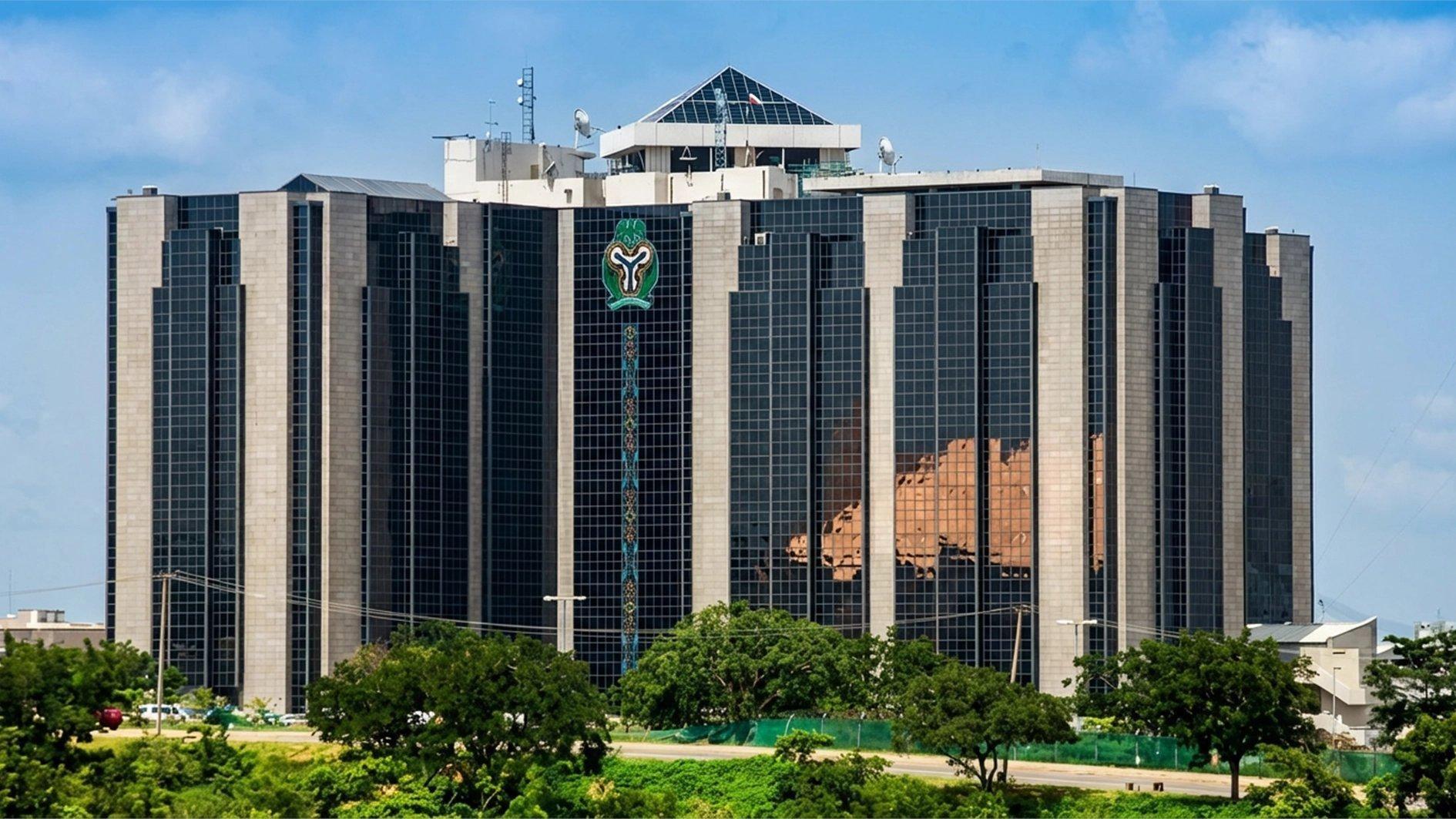
The Central Bank of Nigeria (CBN), acting on behalf of the Debt Management Office (DMO), is offering N800 billion worth of Nigerian Treasury Bills (NTBs) to investors on Wednesday, October 28, 2026, as funds held by banks at the apex bank’s Standing Deposit Facility (SDF) approach N7 trillion.
The auction comes amid substantial liquidity in the banking system, with banks’ placements at the CBN’s SDF reaching N6.98 trillion on Tuesday, October 27, reflecting the volume of funds financial institutions have deposited with the apex bank.
The offering is also taking place against the backdrop of projected N2.813 trillion in liquidity inflows into the financial system during the week, driven primarily by the maturity of Open Market Operation (OMO) instruments, Treasury Bills and other government securities.
Data from the Financial Markets Dealers Association (FMDA), alongside the CBN’s invitation to tender, indicate that the combination of substantial maturities and available banking-system liquidity could support demand for government debt instruments.
However, the extent to which the auction will absorb excess liquidity and influence short-term interest rates will depend on investors’ subscriptions, the DMO’s final allotment decisions and the CBN’s broader monetary policy operations.
The auction is particularly significant because it provides the government with an opportunity to raise short-term financing while offering banks, institutional investors and other eligible participants an avenue to deploy funds in government-backed securities.
One-Year Treasury Bills Dominate Offer
The N800 billion offer is divided into three maturities, with the 364-day instrument accounting for the overwhelming majority of the proposed issuance.
Under the auction structure, N100 billion is allocated to 91-day Treasury Bills, another N100 billion to 182-day bills, while N600 billion is reserved for the 364-day instrument.
The allocation means the one-year Treasury Bill represents 75 per cent of the total offer, while the 91-day and 182-day instruments account for 12.5 per cent each.
The securities will be offered through a Dutch auction, a mechanism under which investors submit bids at their preferred yields and the issuing authority determines the eventual allotment and stop rates in line with its issuance objectives and market conditions.
The concentration of the offer on the 364-day tenor suggests that the government is placing substantial emphasis on longer-dated short-term borrowing.
For investors, the one-year instrument offers an opportunity to lock in a return over a longer period than the shorter-tenor bills, while providing the government with funding for a relatively extended duration.
The auction will also test whether the appetite for one-year government securities remains strong amid changing yield expectations and the substantial liquidity expected to enter the financial system.
Although the availability of excess funds could encourage higher subscriptions, investors will still weigh the returns offered against inflation expectations, prevailing monetary conditions and alternative investment opportunities.
N2.81trn Inflows To Support Market Liquidity
The FMDA projects total inflows of N2.813 trillion into the financial system during the week, comprising proceeds from maturing securities and coupon payments.
OMO maturities are expected to contribute N2.408 trillion, representing approximately 85.6 per cent of the projected inflows.
Federal Government bond coupon payments are expected to add N263.58 billion, while maturing Treasury Bills will release another N130.72 billion into the system.
Corporate bond coupon payments are projected at N10.92 billion.
Together, these inflows are expected to provide substantial funds for banks and other investors to allocate across government securities, money-market instruments, lending and other eligible financial assets.
The projected N2.813 trillion is, however, slightly below the N2.858 trillion recorded in the preceding week.
The difference is largely attributable to the absence of a Federation Account Allocation Committee (FAAC) distribution in the current week's projection. The previous week included a reported N2.43 trillion FAAC-related inflow.
Despite the marginal decline in total projected inflows, OMO maturities are expected to be higher than the N2.067 trillion recorded in the preceding week.
The N2.408 trillion expected from OMO maturities represents an increase of approximately N341 billion, providing a significant source of liquidity for financial institutions.
The effect of these maturities on the broader financial system will depend on how much of the funds remains available for investment after banks and other market participants meet their funding obligations and respond to the CBN's liquidity-management operations.
Banks' SDF Placements Signal Substantial Surplus Funds
The N6.98 trillion recorded in banks' SDF placements is an important indicator of liquidity conditions ahead of the auction.
The Standing Deposit Facility allows eligible financial institutions to place excess funds with the CBN. Such placements can reflect a situation in which banks have funds available but find it appropriate to hold them at the apex bank rather than deploy the entire amount into alternative assets.
The substantial balance suggests that the banking system has considerable funds that could potentially be channelled into Treasury Bills and other eligible investments.
For the government, the auction provides an avenue to attract part of this liquidity to finance its borrowing requirements.
For investors, Treasury Bills offer an instrument backed by the Federal Government, with returns determined through the auction process and a defined maturity date.
However, the existence of substantial SDF balances does not automatically guarantee that the full N800 billion offer will be subscribed to or allotted at lower interest rates.
Investment decisions depend on the yields investors consider acceptable, their liquidity requirements, the availability of competing instruments and their expectations about future interest rates.
Banks may also prefer to retain some funds in short-term placements to meet liquidity needs or take advantage of other investment opportunities.
Consequently, the auction's outcome will provide a useful indication of the willingness of investors to commit funds to government securities at prevailing market yields.
Auction Could Absorb About N669bn More Than Maturing Treasury Bills
The October 28 auction coincides with the maturity of N130.72 billion in Treasury Bills, with settlement scheduled for October 29.
The maturity will return funds to investors and financial institutions, some of which may be reinvested in the new offering.
However, the N800 billion advertised offer exceeds the value of the maturing Treasury Bills by N669.28 billion.
If the DMO allots the full amount offered, the transaction would therefore raise N669.28 billion more than the funds released through the scheduled Treasury Bills maturity alone.
This calculation provides an indication of the potential net absorption associated with the auction relative to the specified Treasury Bills maturity. It should not be interpreted as the auction's total effect on system liquidity, because the much larger OMO maturities and other inflows and outflows will also influence the final position.
In particular, the projected N2.408 trillion in OMO maturities could return substantial funds to the financial system, potentially offsetting part of the liquidity absorbed through Treasury Bills issuance.
The CBN may also conduct additional liquidity-management operations that affect the amount of money available to banks and other participants.
The overall impact will consequently depend on the final allotment, the extent to which investors reinvest maturing proceeds and the timing and scale of other monetary operations.
For money-market participants, the interaction between these inflows and the new Treasury Bills offer will be central to determining short-term funding conditions during the week.
System Liquidity Rose 10.39% In Previous Week
The latest liquidity projections follow an increase in banking-system liquidity in the week ended October 23.
According to the FMDA, system liquidity rose by 10.39 per cent week-on-week to N6.936 trillion during the period.
The increase, followed by the prospect of additional inflows from maturing instruments and coupon payments, highlights the importance of the CBN's liquidity-management activities in shaping short-term money-market conditions.
When liquidity is abundant, banks and other institutional investors may have greater capacity to subscribe to government securities. Depending on their return expectations and the volume of competing investment opportunities, this can support demand at Treasury Bills auctions.
However, the relationship between liquidity and yields is not automatic.
Investors may demand higher returns if they anticipate persistent inflation, changes in monetary policy or attractive yields elsewhere in the market. Similarly, the DMO may reject bids that it considers inconsistent with its borrowing objectives or acceptable funding costs.
The auction will therefore reflect both the availability of funds and investors' assessment of the appropriate price for lending to the government.
Previous Auctions Point To Strong Demand And Selective Allotments
The October 28 offer follows recent auctions in which investors demonstrated substantial interest in Treasury Bills, particularly the 364-day instrument.
At the October 7 auction, the DMO reportedly allotted N968.47 billion against an advertised offer of N900 billion.
The one-year Treasury Bill's stop rate declined to 15.85 per cent, indicating that the government was able to raise funds at a lower yield than would have been required at higher stop rates.
Investor interest was also evident in the reported N1.683 trillion in bids submitted for the one-year instrument at that auction.
The strong subscriptions demonstrated the capacity of the market to absorb significant volumes of government securities when investors consider the offered returns attractive.
However, the October 14 auction illustrated that high demand does not necessarily translate into equally high allotments.
According to the reported results, investors submitted total subscriptions of N1.032 trillion, but the DMO accepted only N269.06 billion, rejecting approximately 74 per cent of the bids.
The stop rate on the one-year instrument rose to 15.90 per cent, marking an increase from the rate recorded at the October 7 auction.
The contrasting outcomes underscore the importance of the DMO's pricing decisions. While investors may submit substantial bids, the issuing authority retains discretion over the volume accepted and the yields at which it is willing to borrow.
The October 28 auction will provide another opportunity to assess whether the strong interest in longer-tenor Treasury Bills persists and whether the government can attract funding without significantly increasing borrowing costs.
What The Auction Means For Investors And The Economy
The latest Treasury Bills offering has implications for the government, the banking system and investors seeking relatively predictable returns.
For the Federal Government, the auction provides short-term financing while allowing the DMO to manage the maturity profile of domestic debt.
For banks, it offers an alternative avenue for deploying funds amid substantial liquidity. The balance between Treasury Bills, SDF placements, lending and other eligible investments will depend on relative returns, risk considerations and liquidity requirements.
For institutional and individual investors participating through eligible channels, the auction provides an opportunity to invest in government securities with maturities of 91 days, 182 days and 364 days.
The one-year instrument is particularly important in the current offering because of its N600 billion allocation.
Nevertheless, the returns investors ultimately receive will depend on the applicable auction terms and the price at which the securities are allotted.
Investors must also consider the effect of inflation on real returns. A nominal yield may appear attractive but deliver a lower real return when inflation is taken into account.
From a broader monetary policy perspective, the auction's interaction with substantial OMO maturities will be important in determining whether liquidity remains elevated or is gradually absorbed through government borrowing and CBN operations.
The auction could also influence expectations about short-term interest rates. Strong demand at lower yields may provide the DMO with room to reduce borrowing costs, while higher yield expectations or selective allotments could keep rates elevated.
Stop Rates And Final Allotment In Focus
Market attention will centre on the level of subscriptions received, the amount ultimately allotted and the stop rates established across the three tenors.
A strong subscription could reflect investors' willingness to commit funds to government securities amid substantial banking-system liquidity.
However, the DMO's response to the bids will be equally important. An auction with high subscriptions but a relatively low allotment would indicate that the government is not prepared to accept all the funding offered at the yields demanded by investors.
Conversely, a larger allotment could indicate greater acceptance of prevailing market rates or a stronger need to raise funds.
The 364-day instrument will be particularly closely watched because it represents three-quarters of the total offer and has attracted substantial interest in recent auctions.
The eventual stop rate will help establish whether yields continue to ease from recent levels or whether investors demand higher compensation for committing funds over the next year.
Ultimately, the October 28 auction will test the relationship between abundant liquidity, investor appetite and the government's borrowing costs.
With N6.98 trillion reportedly held in banks' SDF placements and N2.813 trillion in projected weekly inflows, the financial system appears to have substantial liquidity available for investment.
Yet the decisive factors will be the yields investors are prepared to accept, the DMO's allotment strategy and the CBN's management of the funds returning to the financial system.
The results should provide a clearer picture of near-term Treasury Bills yields and the direction of liquidity conditions in Nigeria's money market.