 PublicSphere Live
Energy
Petrol Price May Hit N1,411 Per Litre in Lagos in November as Freight, Insurance Costs Rise
However, the projection has generated differing reactions among petroleum marketers, with some industry operators describing the forecast as speculative and insisting that there are currently no plans to increase pump prices.
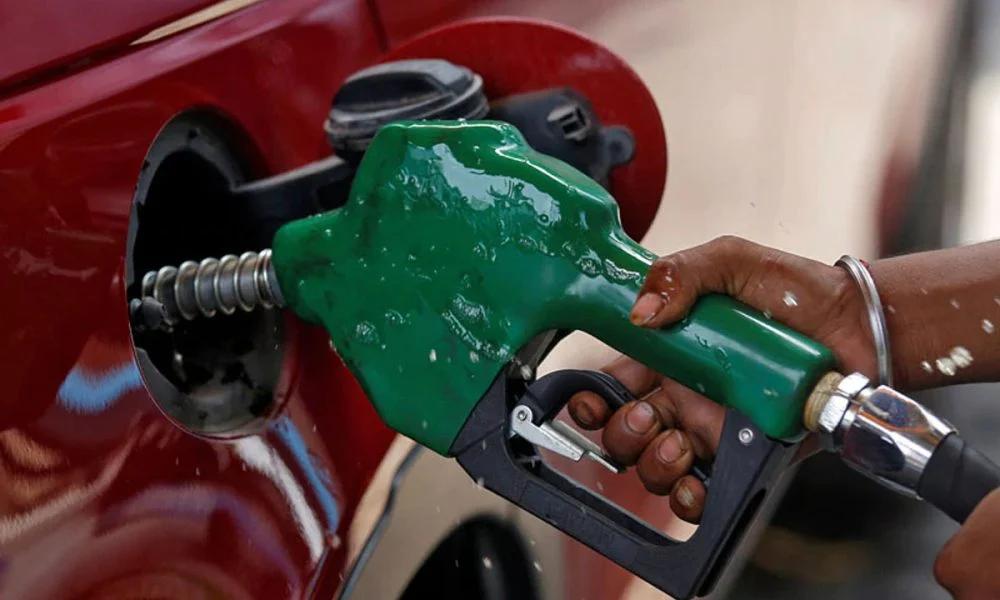
Petrol prices in Lagos could rise to N1,411 per litre in November 2026 if freight, insurance and other import-related premiums remain elevated, an energy analyst has projected. However, petroleum marketers have dismissed the forecast as speculative, citing declining crude oil prices and prevailing market conditions.
Petrol prices in Lagos could climb to N1,411 per litre in November 2026 if current freight charges, insurance premiums and other import-related costs remain unchanged, raising fresh concerns about the cost of transportation, goods and services across Nigeria.
The projection was made by Kelvin Emmanuel, Managing Partner of The Energy Consulting Practice, who attributed the anticipated increase to the growing disparity between the cost of delivering physical petroleum cargoes and prices quoted in futures contracts on the international market.
Emmanuel said the rising cost of physical deliveries, particularly insurance premiums, freight charges and the dated Brent spread, was exerting considerable pressure on the landing cost of imported petrol and influencing domestic pricing.
However, the projection has generated differing reactions among petroleum marketers, with some industry operators describing the forecast as speculative and insisting that there are currently no plans to increase pump prices.
The disagreement highlights the uncertainty surrounding Nigeria’s deregulated downstream petroleum sector, where domestic prices are increasingly determined by international market conditions, exchange rates, financing costs and the commercial realities of supplying products to consumers.
While some marketers believe petrol prices could exceed N1,400 per litre if current cost pressures persist, others argue that the easing of crude oil prices and developments in the international market could limit further increases.
Freight, Insurance And Brent Spread Drive Projection
In an exclusive conversation with Nairametrics, Emmanuel explained that the rising cost of physical petroleum cargoes was a major factor behind his November price forecast.
According to him, the combination of freight, insurance premiums and the dated Brent spread has made the delivery of physical crude oil cargoes approximately $30 more expensive than futures contracts.
He argued that the distinction between futures prices and the actual cost of procuring and delivering crude oil was important in understanding the current dynamics of petrol pricing.
While futures contracts reflect expectations about crude oil prices at specified periods, physical cargo transactions involve additional costs associated with shipping, insurance, delivery schedules and commercial premiums.
These expenses, he explained, could significantly increase the actual cost of crude oil and refined petroleum products beyond the figures commonly referenced in market discussions.
Emmanuel said his calculation for November deliveries incorporated a crude oil delivery cost of $145.60, alongside $1.21 in levies and tariffs associated with the Nigerian Maritime Administration and Safety Agency (NIMASA) and the Nigerian Ports Authority (NPA).
The combined landing cost, according to his calculation, stood at $146.81.
Using an exchange-rate factor of 8.50, he arrived at a figure of N1,247.89 per metric tonne before adding the refinery premium.
An additional refinery premium of $80 brought the calculated amount to N1,327.89 per metric tonne.
He subsequently applied an exchange-rate adjustment of 1,400/1,351, resulting in an estimated ex-gate refinery price of approximately N1,376 per litre.
Adding N35 per litre for trucking and related charges brought the projected price in Lagos to approximately N1,411 per litre.
The projection is based on the assumption that the relevant premiums, exchange-rate factors and delivery costs remain at their current levels throughout November.
Emmanuel said: “The biggest denominator in the rising price of petrol are the premiums from insurance, freight, and the dated Brent spread that has made physical cargo delivery $30 more expensive than future contracts.”
The forecast therefore reflects the potential impact of international supply-chain costs on domestic petrol prices rather than simply the movement of crude oil futures.
Dangote Refinery Prices Linked To Import Parity
Emmanuel also explained that the pricing structure adopted by Dangote Petroleum Refinery was influenced by international import parity considerations.
According to him, the refinery sources approximately 40 per cent of its feedstock internationally, exposing its operations to the costs associated with international crude oil procurement and delivery.
Consequently, he argued that the refinery's pricing decisions could not be completely insulated from developments in the international petroleum market, even as it supplies products domestically.
The refinery's exposure to imported feedstock means that international crude oil prices, shipping expenses, insurance and other procurement-related costs remain relevant to its production economics.
Emmanuel further noted that domestic crude oil supplies under the Domestic Crude Supply Obligation (DCSO) were not necessarily free from additional transportation and commercial costs.
He said such supplies could attract freight charges ranging from $9 to $12 per barrel, depending on the circumstances surrounding delivery.
He also identified third-party premiums associated with crude oil lifting agreements involving traders as additional cost components that could affect the final price of petroleum products.
The implication, according to the analyst, is that crude oil supplied domestically does not automatically translate into cheaper petrol when other expenses associated with delivery, processing and commercial transactions are considered.
He maintained that prices commonly cited in online market discussions could be approximately 30 per cent below the actual cost of landing physical cargoes, whether sourced through imports or domestic crude allocations.
This, he argued, was partly responsible for the gap between headline international oil prices and the prices faced by refiners and marketers seeking to procure physical petroleum products.
Emmanuel also identified the global Platts pricing system and commercial refinery pricing practices as important influences on the downstream petroleum market.
The Platts benchmark is widely used in international petroleum transactions to assess the value of refined products and crude oil in different markets.
Its influence on petroleum pricing means that movements in international product benchmarks, premiums and regional supply conditions can affect domestic prices even when crude oil futures appear relatively stable.
Marketers Dismiss Forecast As Speculative
Despite the projected increase, the Independent Petroleum Marketers Association of Nigeria (IPMAN) has questioned the likelihood of another significant price adjustment in November.
The association's National Publicity Secretary, Chinedu Ukadike, described reports of a possible increase as speculative, arguing that crude oil prices had not risen further.
Ukadike said marketers were monitoring developments in the international market and would not make pricing decisions based on projections alone.
“All those things are speculation,” he said.
He maintained that petroleum marketers were not currently considering another increase in pump prices, noting that petrol was already selling for around N1,400 per litre in some parts of the country.
His position suggests that the prevailing retail price level could limit the appetite for further increases, particularly if international crude oil prices remain stable or decline.
Ukadike also pointed to developments involving feedstock supplies and political events in the United States and Israel as factors that could influence the direction of petroleum prices.
The international market remains sensitive to geopolitical developments, particularly those involving major oil-producing regions, shipping routes and global energy supply chains.
However, the extent to which such developments translate into changes in domestic pump prices depends on the interaction between international prices, exchange rates, freight, insurance and local distribution costs.
Petroan Expects Crude Oil Price Easing To Moderate Costs
The Petroleum Products Retail Outlets Owners Association of Nigeria (PETROAN) has also expressed reservations about the projected increase.
Its National Publicity Secretary, Joseph Obele, said he was doubtful that petrol prices would experience another significant upward adjustment, pointing to indications that the Middle East conflict was easing and crude oil prices were declining.
Obele's position reflects the view among some industry operators that a reduction in international crude oil prices could offset some of the cost pressures arising from freight and insurance.
Nevertheless, the relationship between crude oil prices and domestic petrol prices is not always immediate.
Changes in crude oil prices may take time to affect refined petroleum product prices, particularly where existing inventories, procurement contracts and financing arrangements influence the cost of products already purchased.
Furthermore, a decline in crude oil prices may not necessarily result in lower petrol prices if freight, insurance, exchange rates or refining premiums increase simultaneously.
The conflicting assessments by industry stakeholders underline the difficulty of predicting pump prices in a market where multiple variables are constantly changing.
Independent Marketers Warn Of Possible Increase
While IPMAN and PETROAN have questioned the forecast, another independent petroleum marketer, Isa Alheri, said petrol prices could still rise above N1,400 per litre depending on prevailing market conditions.
Alheri explained that petrol pricing was influenced by several interconnected factors, including exchange rates, international crude oil prices, refined product prices, import financing costs, freight charges and insurance premiums.
He argued that marketers operating in a deregulated environment might have to adjust their prices when procurement costs rise significantly.
According to him, the decision to increase pump prices is often driven by the need to avoid selling products below their replacement cost.
Replacement cost refers to the amount a marketer would have to spend to purchase fresh supplies after selling existing inventory.
This means that even when a marketer has petrol purchased at a lower price, the cost of replenishing stock could determine the price at which the product is eventually sold.
If replacement costs rise sharply, marketers may face pressure to increase prices to preserve their margins and maintain business operations.
However, where procurement costs decline, competitive pressures could encourage marketers to reduce prices, depending on their inventory position and operating expenses.
The deregulated structure therefore allows prices to move in either direction, depending on prevailing market conditions.
Deregulation Exposes Consumers To International Market Volatility
Nigeria's downstream petroleum sector has undergone significant changes following the removal of petrol subsidies and the adoption of a market-driven pricing structure.
Under deregulation, petrol prices are increasingly influenced by commercial considerations rather than government-controlled pricing arrangements.
The policy has created greater flexibility for refiners and marketers to determine prices based on supply costs and market conditions.
However, it has also exposed consumers to fluctuations in international crude oil prices, exchange rates and other costs associated with petroleum procurement and distribution.
The consequences extend beyond the petrol station.
Higher petrol prices can increase transportation costs, raise the cost of moving agricultural produce and manufactured goods, and contribute to inflationary pressures across the economy.
For households, increases in petrol prices can reduce disposable income and make daily transportation more expensive.
Businesses, particularly those dependent on road transportation and generators, may also face higher operating costs.
In a country where road transportation plays a dominant role in the movement of people and goods, changes in petrol prices can have widespread economic implications.
The potential increase to N1,411 per litre would therefore represent more than a marginal adjustment for consumers already grappling with elevated living costs.
However, the extent of the impact would depend on whether the projected price materialises, how long it persists and whether competing suppliers adjust their prices accordingly.
Import Licences And Price Competition Remain Controversial
The debate over petrol prices also revives concerns about the role of petroleum import licences and competition between imported products and locally refined petrol.
In July 2026, petroleum marketers accused major fuel importers of pricing imported petrol at approximately N1,350 per litre, significantly above the price offered by Dangote Petroleum Refinery at the time.
IPMAN's Ukadike argued that import licences issued to major marketers to moderate domestic fuel prices had failed to achieve their intended objective.
He urged the Federal Government to address concerns about price volatility, import licences and the sale of petroleum products in US dollars.
Ukadike also questioned the pricing strategy adopted by importers, warning that continued volatility could create uncertainty for independent marketers.
According to him, international Platts pricing for imported petroleum products was approximately 20 per cent higher than prices offered by Dangote Refinery, making imported petrol less competitive.
He opposed what he described as the indiscriminate issuance of import licences, warning that it could ultimately lead to higher prices for consumers.
The debate reflects the broader question of whether imports are necessary to maintain competition and supply security or whether excessive reliance on imported petroleum products could expose the domestic market to avoidable cost pressures.
For consumers, the central issue remains whether competition among refiners, importers and marketers will translate into more stable and affordable petrol prices.
Outlook: November Prices Depend On Costs And Market Response
The projected N1,411 per litre price in Lagos remains conditional on the persistence of freight, insurance, exchange-rate and other import-related premiums.
While Emmanuel's assessment highlights the potential impact of rising physical cargo costs, the responses from IPMAN and PETROAN indicate that the forecast is not universally accepted among industry stakeholders.
The direction of petrol prices in November will likely depend on developments in international crude oil and refined product markets, exchange-rate movements, refinery pricing decisions and the cost of transporting petroleum products across the country.
The ability of domestic refining capacity to meet demand, alongside competition between local producers and importers, will also remain important.
For now, the disagreement among industry operators illustrates the uncertainty confronting Nigeria's deregulated downstream petroleum sector.
Consumers and businesses will be watching closely to determine whether the projected increase becomes reality or whether easing crude oil prices and changing market conditions provide some relief.
Ultimately, the November petrol price outlook will be determined not by crude oil futures alone, but by the actual cost of procuring, refining, financing and delivering petroleum products to the Nigerian market.