 PublicSphere Live
Health
FG Confirms Ebola Case in FCT, Begins Contact Tracing of 44 People
The patient has since been isolated and is receiving treatment, while health authorities have commenced contact tracing to identify and monitor individuals who may have been exposed to the virus.
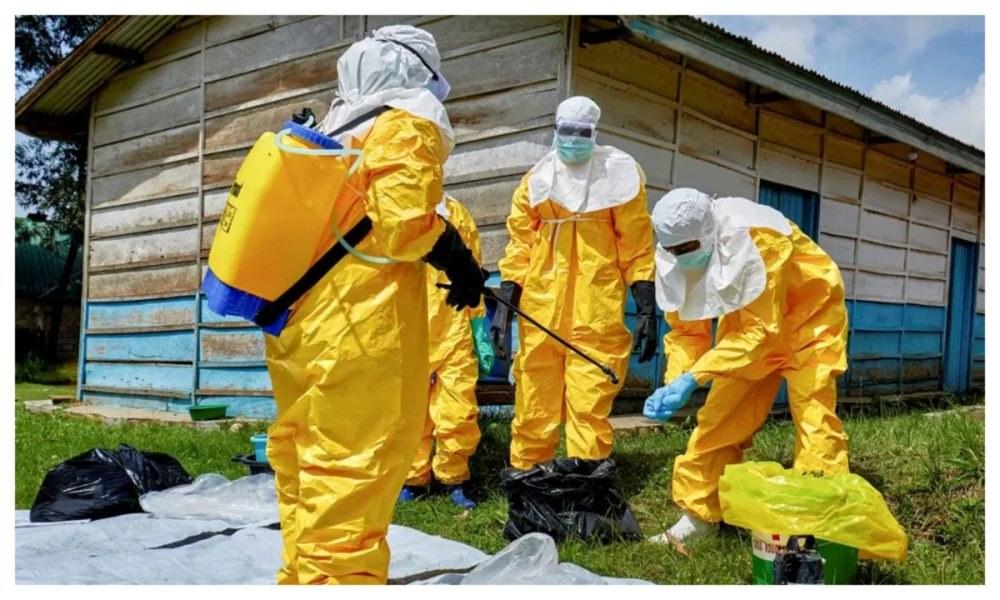
The Federal Government has confirmed a case of Ebola Virus Disease (EVD) in the Federal Capital Territory (FCT), Abuja, after a woman who recently arrived in Nigeria from Uganda tested positive for the potentially fatal infection.
The case was laboratory-confirmed on Tuesday, October 20, 2026, following the patient's admission to a private hospital in the FCT, where she had reportedly received medical care for several days.
The patient has since been isolated and is receiving treatment, while health authorities have commenced contact tracing to identify and monitor individuals who may have been exposed to the virus.
The Coordinating Minister of Health and Social Welfare, Prof. Muhammad Ali Pate, disclosed that 44 close contacts had been identified as part of the government's efforts to contain the infection and prevent further transmission.
Those identified include healthcare workers, other patients, caregivers and individuals who may have come into contact with the infected woman during her journey or after her arrival in Nigeria.
The government said it was working through the Nigeria Centre for Disease Control and Prevention (NCDC) and the FCT health authorities to coordinate the response, strengthen surveillance and minimise the risk of further infections.
The confirmation has placed public health authorities on alert, with contact tracing and the monitoring of potentially exposed individuals expected to play a critical role in containing the disease.
FG Mobilises Health Authorities
The Federal Government said the response was being coordinated by relevant health agencies to ensure that the confirmed case was managed appropriately and that possible chains of transmission were identified promptly.
Contact tracing is a central component of Ebola containment because it enables health officials to identify people who may have been exposed to an infected person, assess their risk and monitor them for symptoms within the virus's incubation period.
The identification of 44 contacts does not necessarily mean that those individuals have contracted the disease. Rather, they are being identified for appropriate assessment and monitoring as part of efforts to establish whether transmission has occurred.
Healthcare workers are among the groups requiring particular attention because they may be exposed to infected patients while providing treatment, especially where appropriate infection prevention and control measures are not consistently applied.
Authorities are also expected to assess the circumstances surrounding the patient's admission and treatment, including whether the necessary protective procedures were followed and whether additional people may have been exposed.
The government has urged Nigerians to remain calm but vigilant, stressing the importance of personal hygiene, prompt reporting of suspected exposures and cooperation with public health officials.
Members of the public have been advised to report suspected exposures or symptoms to the appropriate health authorities rather than resorting to speculation or taking unverified remedies.
Government Urges Vigilance, Not Panic
In its public health advisory, the government emphasised the need for regular handwashing and prompt communication with health authorities where an individual suspects possible exposure to the virus.
The NCDC's toll-free call centre, available 24 hours a day on 6232, has been provided as a channel for obtaining information and reporting suspected cases.
Public health experts generally stress that early detection, rapid isolation, contact tracing and strict infection prevention measures are essential to limiting the spread of Ebola.
The government’s response will therefore depend significantly on how quickly health officials can establish the patient's movements, identify all relevant contacts and ensure that those at risk receive appropriate monitoring and guidance.
Authorities will also need to maintain clear communication with the public to counter misinformation, discourage unnecessary panic and encourage people with genuine concerns to seek guidance from recognised health institutions.
The confirmation of a case does not, by itself, establish that the virus is spreading widely within the country. The extent of the public health risk will depend on further investigations, the results of contact monitoring and whether additional infections are detected.
What Nigerians Should Know About Ebola
Ebola Virus Disease is a serious illness caused by viruses belonging to the Orthoebolavirus group. It can cause severe illness and may be fatal, although outcomes vary depending on the virus, the patient's condition and the availability of appropriate medical care.
The virus is primarily transmitted through direct contact with the blood or other bodily fluids of an infected person who is showing symptoms, or through contact with contaminated objects and materials. It can also spread through contact with the bodies of people who have died from the disease.
Ebola is not ordinarily transmitted through the air in the manner associated with airborne respiratory infections. Nevertheless, close contact with an infected person and exposure to contaminated materials can pose serious risks.
Symptoms can include fever, fatigue, muscle pain, headache and sore throat, followed by vomiting, diarrhoea, abdominal pain and, in some cases, bleeding. These symptoms can resemble those of other illnesses, including malaria and other febrile infections, making professional medical assessment important.
Symptoms alone cannot confirm Ebola. Anyone who believes they may have been exposed should contact health authorities promptly and follow their instructions, rather than attempting to diagnose or treat the illness independently.
People who have not had a relevant exposure should not assume that ordinary fever or other common symptoms indicate Ebola. Equally, anyone who may have been exposed should not ignore symptoms or delay seeking professional guidance.
Need For Transparent Public Health Communication
The confirmation of the case underscores the importance of a coordinated response involving federal and FCT health authorities, hospitals, healthcare workers, border health services and the general public.
Hospitals are particularly important in preventing further transmission. Medical facilities must maintain appropriate screening procedures, protective equipment, isolation arrangements and infection prevention protocols when dealing with patients suspected of having a highly infectious disease.
The authorities will also need to provide timely updates on the contact-tracing exercise and any additional confirmed cases, while protecting patients' confidentiality and avoiding the publication of unverified information.
Nigeria has previously faced major infectious disease emergencies, including the 2014 Ebola outbreak, when rapid public health interventions helped limit transmission. The experience demonstrated the importance of early detection, coordinated surveillance, effective contact tracing and public cooperation.
However, previous experience does not eliminate the need for vigilance. Every confirmed case requires careful investigation, particularly where international travel and possible exposure in healthcare settings are involved.
For now, the Federal Government's immediate priorities are to ensure that the patient receives appropriate care, establish the full list of contacts, monitor potentially exposed individuals and prevent further transmission.
As investigations continue, Nigerians have been urged to follow official health advisories, practise regular hand hygiene and use the NCDC's 24-hour toll-free line, 6232, for information or to report suspected exposures.
The coming days will be important in determining whether the confirmed case remains isolated or whether further infections emerge from the ongoing contact-tracing exercise.