 PublicSphere Live
Politics
Tinubu Defends Subsidy Removal, Blames Opposition for Poverty as 2027 Campaign Begins
Tinubu’s comments placed the removal of petrol subsidies, one of the most consequential economic decisions of his administration, at the centre of the emerging contest for the presidency in 2027.
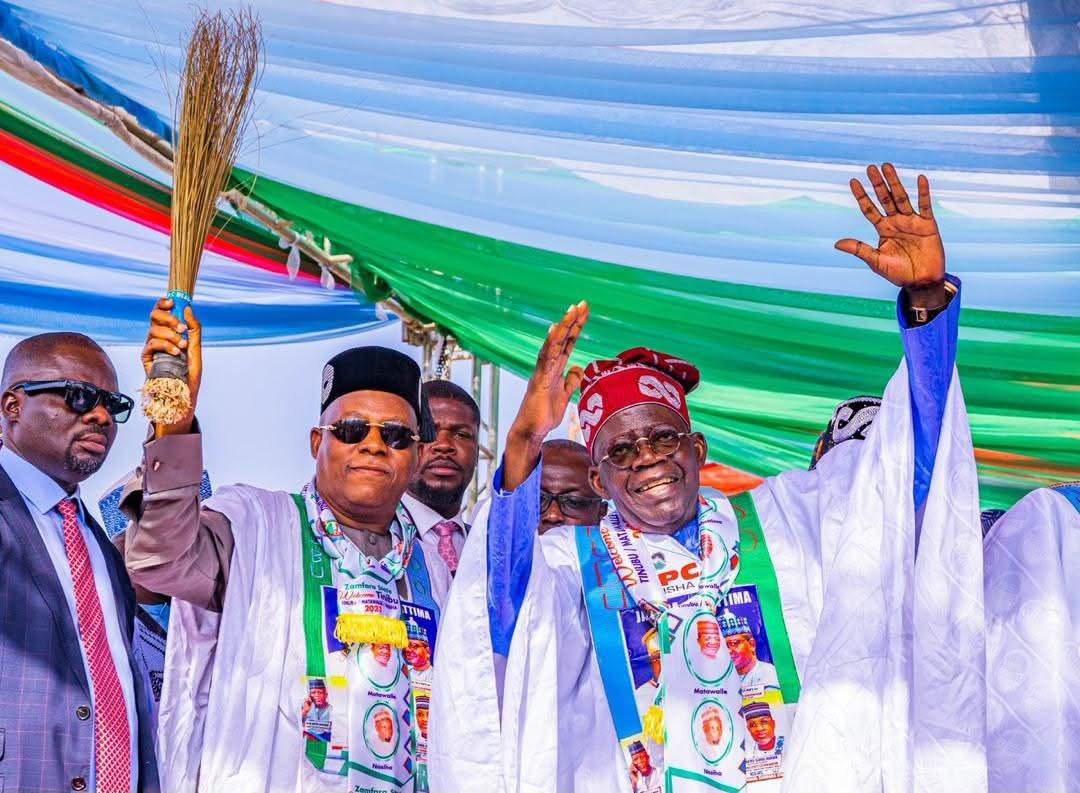
KADUNA — President Bola Ahmed Tinubu has defended his administration’s decision to remove petrol subsidies, declaring that the policy belongs to Nigeria’s past, while accusing opposition presidential candidates, including former Vice President Atiku Abubakar and Peter Obi, of being responsible for the poverty and hunger confronting Nigerians.
Tinubu made the remarks on Saturday during the All Progressives Congress (APC) presidential campaign flag-off in Kaduna State, where he formally began his campaign for re-election in the 2027 general elections and appealed to Nigerians to give him another opportunity to lead the country.
The President urged voters to scrutinise the promises of opposition politicians, warning them against being deceived by campaign messages that, according to him, could misrepresent the country’s economic realities and the choices before the electorate.
“Be careful, watch them, don’t let them lie to you,” he told supporters at the campaign rally.
Tinubu’s comments placed the removal of petrol subsidies, one of the most consequential economic decisions of his administration, at the centre of the emerging contest for the presidency in 2027.
The policy, introduced shortly after he assumed office in May 2023, has remained a major subject of public debate because of its implications for transportation costs, food prices, household expenditure and the operating expenses of businesses across the country.
While the administration has consistently defended the decision as necessary to address the financial burden of subsidy payments and improve the management of public resources, many Nigerians continue to express concern over the cost of living and the pressure on their incomes.
‘Fuel Subsidy Is In Our Past’
Defending the decision to end the subsidy regime, Tinubu argued that the country must move beyond a system he associated with corruption, fraudulent transactions and the smuggling of petroleum products across Nigeria’s borders.
“What is the past is the past, fuel subsidy is in our past, no more corruption, no more falsification of invoices, no more lies, no more smuggling of fuel,” the President said.
His remarks signalled his determination to defend the policy during the election campaign, particularly as opposition figures seek to make the economic consequences of the reforms a central issue in the debate over his administration’s performance.
The removal of petrol subsidies has fundamentally altered the cost of energy in Nigeria, with increases in pump prices feeding into the cost of commercial transportation, distribution of agricultural produce, manufacturing and the delivery of essential services.
For many households, the consequences have extended beyond the price of petrol to the cost of food, housing, education and other basic necessities.
The administration’s position is that ending the subsidy regime will help reduce pressure on government finances and create room for spending on infrastructure, social programmes and other development priorities.
However, the political test for Tinubu will be whether Nigerians believe the benefits of the policy are sufficiently visible in their daily lives to justify the immediate economic sacrifices.
The issue is likely to remain a major point of disagreement between the APC and opposition parties throughout the campaign.
Atiku's Promise To Restore Subsidy
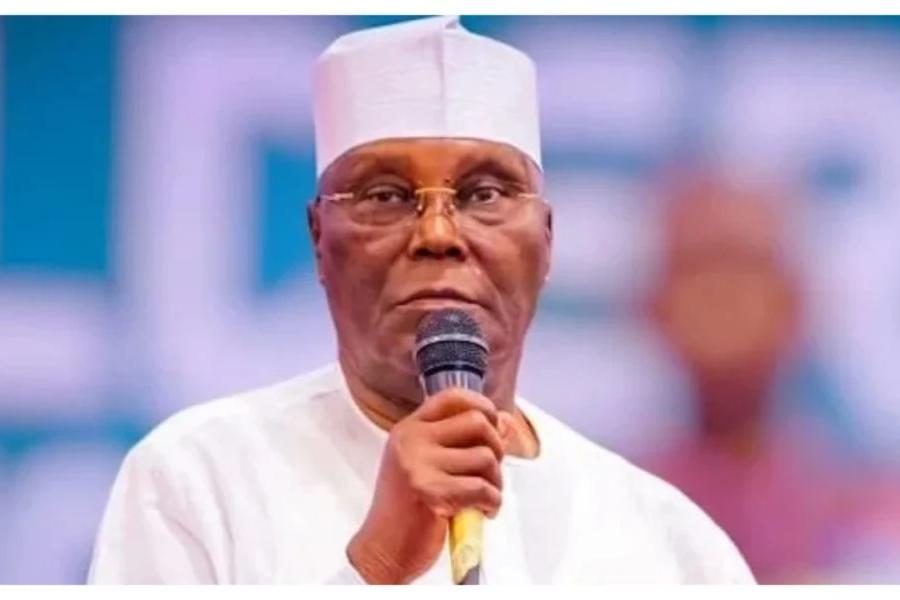
Tinubu’s defence of subsidy removal comes against the backdrop of a promise by Atiku Abubakar, presidential candidate of the African Democratic Congress (ADC), to restore petrol subsidies.
The proposal presents a direct policy contrast between the President and one of his leading challengers in the 2027 presidential contest.
While Atiku has placed the restoration of subsidies among his campaign proposals, Tinubu’s administration has dismissed the pledge as propaganda, maintaining that returning to the previous arrangement would reverse an important economic decision.
The disagreement raises broader questions about how Nigeria should balance fiscal sustainability with the immediate welfare of citizens, particularly low-income households that spend a substantial proportion of their earnings on transportation, food and other essential items.
A restoration of subsidies would require the government to explain how the cost would be financed, how the arrangement would be administered and what safeguards would prevent the alleged abuses that Tinubu says characterised the previous system.
On the other hand, opponents of the current policy face the challenge of demonstrating how Nigerians could obtain meaningful relief from high living costs without creating unsustainable pressure on public finances.
For voters, the central question is not simply whether subsidies should be restored or permanently abandoned, but which policy approach would deliver affordable energy, lower food prices, better public services and improved living standards.
The debate is expected to intensify as candidates present their economic programmes and attempt to persuade Nigerians that their proposals offer a more credible path to prosperity.
Tinubu Blames Opposition For Hunger And Poverty
In another pointed intervention at the Kaduna rally, Tinubu accused Atiku, Peter Obi and other opposition figures of being responsible for the poverty and hunger that have become major concerns among Nigerians.
“I hear my opponents talking about hunger and poverty. Who created it? They did! To you, the children of our country, it’s a promise of a second term – prosperity; you will not regret it,” the President said.
The allegation marked a sharp political attack on opposition leaders who have criticised the administration over economic hardship, insecurity and the rising cost of living.
By shifting responsibility for the country’s economic difficulties to his opponents, Tinubu sought to challenge their credibility as alternative leaders and position his administration as the government capable of delivering future prosperity.
However, the accusation is likely to generate further debate over the respective responsibilities of successive administrations for Nigeria’s economic conditions.
Nigeria’s current challenges have developed over several years and reflect a combination of policy decisions, structural weaknesses, infrastructure deficits, security problems, foreign-exchange pressures and dependence on imported goods and services.
The effects of the present administration’s reforms have also become an important part of the discussion, particularly because the removal of petrol subsidies and changes in foreign-exchange management have had significant consequences for prices and household purchasing power.
Although the government has argued that the reforms are intended to establish a more sustainable economic foundation, the opposition has demanded greater accountability for their impact on ordinary citizens.
The campaign is therefore likely to feature competing explanations of the country’s economic difficulties, with the APC defending its reform agenda and opposition candidates arguing that alternative policies could produce better outcomes.
For voters, the credibility of these arguments will depend not only on political accusations but also on evidence of economic performance, practical proposals and the capacity of candidates to improve living conditions.
Promises A Better Tomorrow
Despite the criticism surrounding his administration’s economic policies, Tinubu promised Nigerians a better future if returned to office for a second term.
He told supporters that the country’s prosperity depended on the decisions Nigerians would make at the ballot box, urging them to recognise their responsibility in determining the direction of the nation.
“Your prosperity is here. Your future is in your hands, your fingerprints will reflect it,” the President said.
He subsequently appealed to Nigerians to give him another opportunity to lead the country, presenting re-election as a chance to consolidate his administration’s policies and pursue the promised economic transformation.
“May you give me the privilege to promise you once again of a better tomorrow,” he added.
The message was designed to reassure supporters that the government’s current economic direction would eventually produce better results, even as many households continue to struggle with elevated living expenses.
Nevertheless, a promise of future prosperity will face scrutiny from voters seeking more immediate answers about wages, employment, food affordability, transportation, electricity and access to healthcare and education.
The administration’s ability to demonstrate measurable progress in these areas could prove important in determining how successfully it translates its reform narrative into electoral support.
For the APC, the challenge will be to show that the sacrifices associated with its policies are producing tangible improvements rather than asking Nigerians to rely exclusively on assurances about future gains.
Economic Hardship At The Centre Of The 2027 Contest
The Kaduna rally underscored the importance of economic conditions in the emerging 2027 presidential campaign.
With Tinubu seeking another term, the opposition is expected to make the cost of living, unemployment, insecurity and the perceived consequences of government reforms central to its challenge against the APC.
Atiku’s subsidy proposal and the criticisms associated with Peter Obi and other opposition figures illustrate the competing approaches that are likely to dominate the campaign.
For Tinubu, defending the reforms will require more than reminding Nigerians of the problems associated with the previous subsidy system. His administration will also need to demonstrate how the resources saved and the policy changes introduced are improving public finances, supporting production, creating employment and easing the burden on households.
Similarly, opposition candidates will need to explain how their alternative programmes would be financed and implemented, including the implications of any proposed subsidy restoration for government revenue and expenditure.
The election debate will therefore test not only the performance of the incumbent administration but also the practicality of the alternatives being offered by its challengers.
Political rhetoric may mobilise party supporters, but the wider electorate will ultimately assess the competing claims against its daily experiences.
For millions of Nigerians, the most persuasive campaign message may be one that explains how food will become more affordable, jobs will be created, insecurity will be reduced and public services will improve.
As the 2027 contest gathers momentum, the question before the electorate is whether Tinubu’s reform agenda offers the most credible route to those outcomes or whether the opposition can present a more convincing alternative.
Tinubu has made it clear that he intends to defend his record and seek a second term on the promise of future prosperity. The opposition, meanwhile, faces the task of turning public dissatisfaction into a coherent policy argument capable of winning voters’ confidence.
Ultimately, the decision will rest with Nigerians, whose votes will determine whether the President receives another mandate to pursue his economic programme or whether the country chooses a different direction.