PublicSphere Live
Business
Oyedele Urges Wealthy Nigerians to Pay Taxes, Warns of Inflation, Naira Pressure
The minister said improving government revenue was essential to strengthening economic stability, reducing fiscal pressures and creating the conditions necessary for sustainable growth.
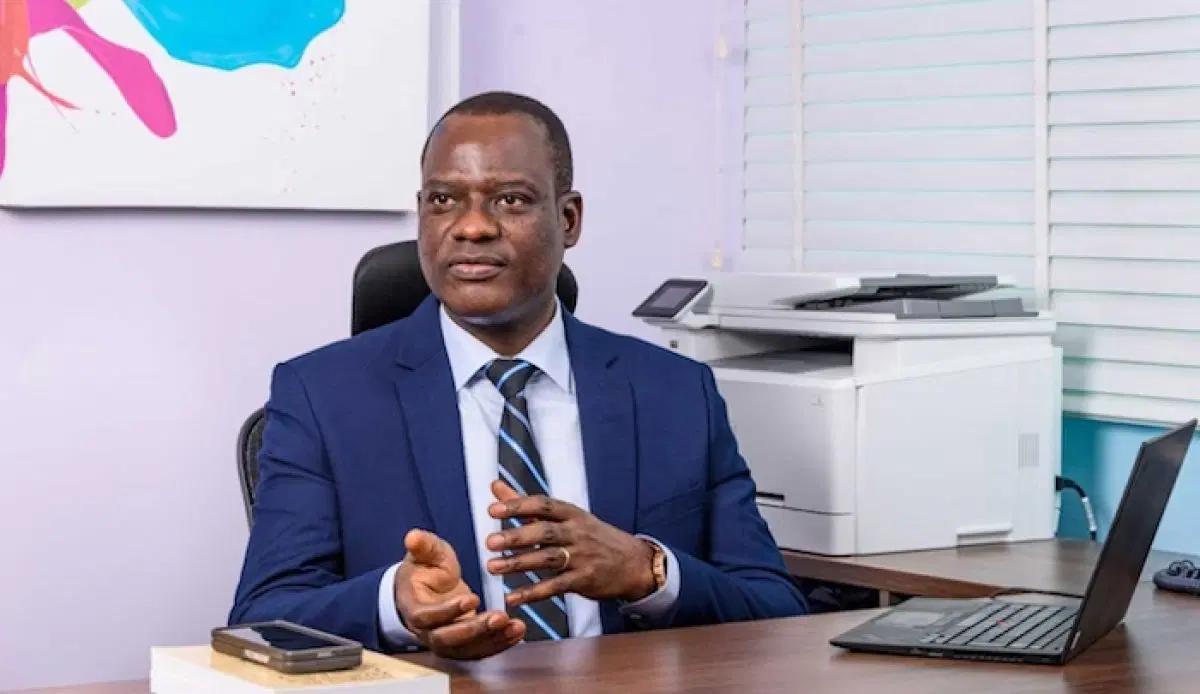
ABUJA — The Minister of Finance and Coordinating Minister of the Economy, Mr Taiwo Oyedele, has urged wealthy Nigerians to fulfil their tax obligations, warning that inadequate government revenue could intensify inflationary pressures, increase borrowing costs and place additional pressure on the naira.
Oyedele made the call on Monday at the 32nd Nigerian Economic Summit in Abuja, where he presented the draft Nigeria Economic Policy Framework for public consultation.
The minister said improving government revenue was essential to strengthening economic stability, reducing fiscal pressures and creating the conditions necessary for sustainable growth.
He argued that the government could not effectively address the country's economic challenges without a stronger revenue base, particularly as it sought to manage inflation, stabilise the foreign exchange market and reduce the cost of borrowing.
His appeal comes amid continuing efforts by the Federal Government to consolidate economic reforms, improve public finances and establish a policy framework capable of guiding Nigeria's economic direction beyond the tenure of the current administration.
Wealthy Nigerians Urged To Meet Tax Obligations
Oyedele's appeal places renewed emphasis on tax compliance among high-income earners and wealthy individuals as the government seeks to mobilise more domestic revenue to finance public expenditure.
A stronger tax system could reduce the extent to which the government depends on borrowing to fund infrastructure, social services and other public programmes. It could also provide more predictable revenue for budget implementation and help limit the accumulation of public debt.
However, the minister's position also highlights a longstanding challenge in Nigeria's public finance system: the need to expand revenue collection without imposing an excessive burden on households and businesses already facing high living costs.
For the government, the immediate challenge is to ensure that individuals and businesses with taxable income contribute their fair share, while improving the efficiency, transparency and accountability of tax administration.
Increasing tax compliance among wealthy Nigerians could help broaden the country's revenue base, particularly if the authorities strengthen the monitoring of taxable income and close loopholes that allow eligible taxpayers to avoid their obligations.
Nevertheless, higher revenue collection alone would not automatically translate into lower inflation or a stronger naira. The impact would depend substantially on how the additional revenue was collected, managed and spent, as well as on developments in monetary policy, domestic production and the foreign exchange market.
Inadequate Revenue Could Deepen Economic Pressures
The minister warned that insufficient government revenue could compound existing economic difficulties by increasing fiscal pressures and making it more expensive for the public sector to meet its obligations.
When government revenue falls short of expenditure, authorities may resort to domestic or external borrowing to bridge the gap. Depending on the scale and structure of such borrowing, debt-servicing obligations can consume a significant portion of public revenue, leaving fewer resources for infrastructure, education, healthcare and other development priorities.
Heavy domestic borrowing may also put pressure on interest rates by increasing competition for available funds, although the extent of this effect depends on liquidity conditions, monetary policy and investor demand for government securities.
For businesses, elevated borrowing costs can make it more difficult to finance expansion, acquire equipment, maintain inventories and create jobs. Small and medium-sized enterprises, which often have limited access to affordable credit, may be particularly vulnerable.
The minister's argument is that a more reliable revenue base could help reduce these pressures by strengthening the government's capacity to finance its responsibilities without excessive reliance on borrowing.
The relationship between revenue and inflation, however, is not straightforward. Additional tax revenue could help moderate inflationary pressures if it reduces deficit financing or supports more productive public investment. But taxes that substantially increase business costs or reduce household purchasing power could also affect prices and economic activity.
The broader policy challenge, therefore, is to improve revenue collection while ensuring that fiscal decisions support production, employment and price stability.
Oyedele Defends Petrol Subsidy Removal
The finance minister also defended the removal of petrol subsidies, arguing that the artificial suppression of prices had distorted the economy and created financial obligations that became increasingly difficult for the government to sustain.
“Let's not suppress prices. Let's focus on raising income,” he said.
Oyedele maintained that economic policy should concentrate on increasing household incomes rather than keeping prices below levels determined by underlying market conditions.
His position reflects the Federal Government's broader argument that prolonged fuel subsidies imposed substantial fiscal costs and diverted resources that could otherwise have been channelled into infrastructure and other development priorities.
Under a subsidy arrangement, the government absorbs part of the cost of a product to keep the price paid by consumers below the amount that would otherwise prevail. While such a measure can provide immediate relief, it can also create significant financial obligations when the subsidised product is consumed on a large scale.
The removal of petrol subsidies was intended to reduce these obligations and allow market prices to reflect costs more closely. However, the adjustment also contributed to higher transport and production expenses, with consequences for household budgets and business operations.
For many Nigerians, the central concern remains whether the long-term benefits of the reform will outweigh its immediate costs.
Higher petrol prices can feed into the prices of food, manufactured goods and services because transportation and energy are important components of production and distribution costs. The effects can be particularly severe for low-income households, which spend a substantial proportion of their earnings on basic necessities.
Oyedele's call to focus on raising incomes therefore raises an important question about the complementary policies required to make market-based reforms sustainable.
These could include measures to improve productivity, expand employment opportunities, support small businesses, strengthen public transportation and protect vulnerable households from severe economic shocks.
Without meaningful improvements in earnings and purchasing power, the benefits of reducing government subsidies may take longer to reach ordinary Nigerians.
Policy Uncertainty Described As A Hidden Tax
Presenting the draft Nigeria Economic Policy Framework, Oyedele said the proposed document was designed to establish enduring principles for taxation, subsidies, trade and industrial development, irrespective of changes in political leadership.
He said inconsistent economic policies had discouraged investment and undermined previous reforms, making it necessary to establish a lasting framework to guide government decision-making.
“Policy uncertainty is an invisible tax on enterprise. And unlike most taxes, it generates no revenue for government; it only destroys value and discourages investment,” the minister said.
His remarks underscore concerns among investors and business operators about frequent policy changes, unpredictable regulations and uncertainty over the direction of government interventions.
For businesses considering long-term investments, policy consistency is an important factor in determining whether to commit capital, establish production facilities, employ workers or expand into new markets.
Investments in manufacturing, agriculture, energy and infrastructure often require substantial initial expenditure and several years to generate returns. Unexpected changes in taxation, import regulations, foreign exchange arrangements or subsidy policies can alter project costs and undermine financial projections.
A predictable policy environment can help investors assess risks more accurately, plan production and make informed decisions about the allocation of capital.
However, policy consistency does not necessarily mean that government must retain every policy indefinitely. Economic circumstances can change, requiring adjustments to regulations and public interventions.
The critical issue is whether such changes are supported by clear economic reasoning, adequate consultation, transparent communication and reasonable implementation arrangements.
A durable economic framework could help establish common principles for evaluating proposed changes, thereby reducing the uncertainty that arises when policy decisions appear abrupt or disconnected from previous commitments.
Draft Framework Proposes National Economic Scorecard
According to Oyedele, the proposed framework would introduce common principles to guide economic decisions across government and require policy impact assessments for major interventions.
It also proposes an annual National Economic Scorecard to evaluate whether economic growth is translating into improvements in the living conditions of Nigerians.
The scorecard could provide a mechanism for assessing government performance beyond headline economic indicators, including gross domestic product growth and aggregate investment figures.
Economic expansion does not always result in immediate improvements in household welfare. A country may record higher output while many citizens continue to struggle with unemployment, rising food prices, inadequate access to essential services and declining purchasing power.
An assessment that links economic performance to living conditions could therefore help policymakers determine whether growth is generating sufficient employment, improving incomes and reducing poverty.
Such a system would be most effective if its indicators were clearly defined, publicly accessible and measured consistently over time. Independent scrutiny and reliable data would also be important to ensure that reported improvements reflected actual changes in people's circumstances.
Policy impact assessments could similarly help government agencies examine the likely costs and benefits of major interventions before implementation.
For example, a proposed tax change could be assessed for its effects on government revenue, household spending, business investment and employment. A subsidy reform could be evaluated against its fiscal savings, inflationary consequences and implications for vulnerable groups.
These assessments would not eliminate policy disagreements, but they could provide a more transparent basis for comparing alternatives and explaining decisions to the public.
Framework To Pass Through Consultation And Approval
Oyedele said public consultation on the draft Nigeria Economic Policy Framework would continue until November 27.
After the consultation period, the document is expected to proceed to the Federal Executive Council for approval and the National Economic Council for endorsement.
The consultation process is intended to provide an opportunity for stakeholders to contribute to the proposed framework before it moves through the relevant government approval channels.
The participation of businesses, labour organisations, professional bodies, economists, civil society groups and state governments could help identify practical challenges that might not be fully captured during the initial drafting process.
State governments are particularly important to the implementation of a national economic framework because several policy areas, including taxation, industrial development, agriculture and investment promotion, require coordination between federal and subnational authorities.
The effectiveness of the proposed framework will ultimately depend on whether its principles are translated into consistent decisions across government institutions and whether the relevant authorities are held accountable for implementation.
FG Targets Single-Digit Inflation
The minister also reiterated the government's ambition to reduce inflation to low single-digit levels before the end of 2027, with the longer-term objective of creating conditions that could support single-digit interest rates.
Achieving that ambition would require sustained progress in addressing the factors that influence prices, including food supply constraints, transportation costs, energy expenses, exchange-rate movements and the cost of financing production.
Lower inflation could improve household purchasing power and provide businesses with a more predictable environment for planning and investment. If accompanied by improved macroeconomic stability, it could also create room for lower interest rates over time.
However, a decline in inflation does not necessarily mean that prices will fall. It generally means that prices are rising more slowly, while the cost of living may remain high if previous increases have not been reversed.
Similarly, lower interest rates would depend on more than the government's fiscal position. Monetary policy, inflation expectations, financial-sector conditions and the perceived risks of lending to businesses and households would also influence borrowing costs.
The proposed economic framework will therefore face the task of coordinating fiscal, monetary and structural policies in a way that supports price stability without undermining investment and job creation.
For Nigerians, the ultimate test will be whether the government's revenue and reform policies produce measurable improvements in employment, disposable incomes, access to essential services and the affordability of basic goods.
Oyedele's appeal for wealthy Nigerians to pay their taxes, alongside his defence of market-based reforms and call for greater policy consistency, reflects the administration's effort to establish a more sustainable foundation for public finances.
Whether the proposed framework achieves that objective will depend not only on the willingness of taxpayers to comply with their obligations, but also on the government's ability to demonstrate that public revenue is collected fairly, spent efficiently and converted into tangible economic and social benefits.