 PublicSphere Live
Health
Ebola Scare: NCDC Identifies Two Suspected Cases in North-East Nigeria, Begins Contact Tracing
Health authorities say laboratory tests are ongoing to determine whether the two individuals are infected, as Nigeria intensifies surveillance following the confirmation of its first Bundibugyo Ebola case in October
The Nigeria Centre for Disease Control and Prevention (NCDC) has identified two suspected cases of Ebola disease in Nigeria’s North-East region, raising fresh concerns about the country's efforts to prevent further spread of the deadly viral disease.
The agency disclosed this on Saturday through a statement published on its official X handle, confirming that both individuals had been isolated while investigations and laboratory tests were ongoing.
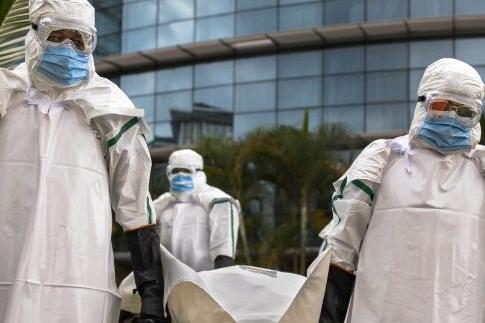
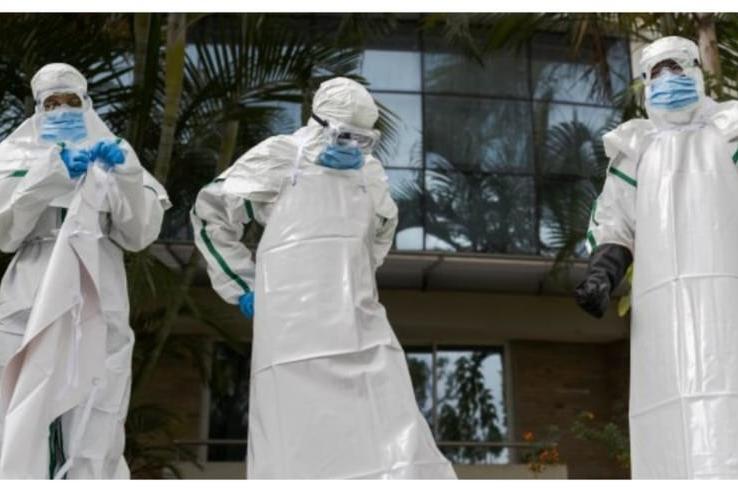
According to the NCDC, health authorities have commenced the identification and listing of individuals who may have had contact with the suspected patients as part of measures to contain any possible transmission.
The agency, however, cautioned Nigerians against interpreting the identification of the two suspected cases as confirmation that they are infected with the Ebola virus.
It explained that their status would only be established after laboratory investigations had been completed and the results made available.
“Two suspected cases of Ebola disease have been identified in Nigeria’s North-East region. Both individuals have been isolated, contact identification and listing is ongoing, and laboratory testing is being conducted,” the agency stated.
It added that being classified as suspected cases did not mean the individuals had tested positive for Ebola, stressing that confirmation remained subject to laboratory results.
The NCDC urged members of the public to maintain proper personal hygiene, practise enhanced sanitation and comply with public health advisories issued by relevant authorities.
It also assured Nigerians that further updates would be communicated as verified information became available.
Fresh Concern After Abuja Confirmed Case
The latest development comes against the background of Nigeria's first confirmed case of the Bundibugyo strain of Ebola virus disease, announced by the Federal Government on October 20, 2026.
The index case involved a woman who had recently travelled to Uganda and returned to Nigeria with symptoms on October 7.
Although the Federal Government confirmed the infection, Ugandan authorities subsequently denied reports of an Ebola outbreak in their country, creating a discrepancy over the reported travel-related circumstances surrounding the Nigerian case.
Following confirmation of the infection, the patient was subsequently evacuated to Switzerland alongside her husband for further medical attention.
The development prompted the activation of heightened surveillance and emergency response measures by Nigerian health authorities to identify people who might have been exposed to the virus.
The NCDC subsequently intensified contact tracing, monitoring and other containment activities to prevent possible community transmission.
Primary Contacts Increase To 54
On October 26, the Director-General of the NCDC, Dr. Jide Idris, disclosed that the agency had identified another individual linked to the confirmed case.
The individual, an e-hailing driver, was identified as an additional primary contact, bringing the number of primary contacts associated with the index patient to 54.
Idris explained that the agency was also working to identify secondary contacts, who might have been exposed through individuals who had direct contact with the confirmed patient.
He warned that Nigeria could not yet consider itself free from the threat of further transmission until all possible contacts had been identified and monitored.
“So we are not out of the woods yet until we are sure that we have all the contacts, and they have been followed up. So we are still not out of the woods; because the index case is out doesn't mean that we don't have that,” he said.
The NCDC chief's warning underscored the importance of sustained surveillance, particularly because Ebola can spread through direct contact with the blood, bodily fluids and contaminated materials of infected individuals.
The emergence of two additional suspected cases in the North-East has therefore placed renewed emphasis on the need for effective surveillance and rapid laboratory diagnosis.
However, the agency has not established any epidemiological connection between the two suspected cases in the North-East and the previously confirmed Abuja case.
Public Urged To Observe Preventive Measures
As investigations continue, the NCDC has called on Nigerians to remain vigilant without resorting to panic or spreading unverified information.
Health experts generally recommend frequent handwashing with soap and running water, appropriate sanitation and avoidance of direct contact with the bodily fluids of anyone suspected of having Ebola.
People who develop symptoms consistent with Ebola, particularly after possible exposure, are advised to seek immediate medical attention and disclose their travel and contact history to healthcare professionals.
Symptoms may include fever, weakness, headache, muscle pain, sore throat, vomiting, diarrhoea and, in some cases, unexplained bleeding.
The disease can be particularly dangerous because symptoms in its early stages may resemble those of other common infections, making prompt medical assessment and laboratory testing essential.
The NCDC's ongoing contact-tracing exercise is also critical to determining whether the suspected patients have links to other reported cases or represent separate incidents requiring independent investigation.
Nigeria's Public Health Response Under Scrutiny
The identification of the two suspected cases comes at a sensitive time for Nigeria's public health system, as the country continues to monitor developments surrounding the wider Ebola situation in parts of Africa.
The latest development reinforces the importance of preparedness at state and national levels, particularly in the areas of disease surveillance, laboratory capacity, isolation facilities, emergency communication and coordination among healthcare institutions.
For the North-East, where healthcare delivery faces additional challenges in some communities, early identification, rapid testing and effective coordination between federal and state health authorities will be particularly important.
The NCDC has not disclosed the identities of the two suspected patients, their specific locations or the circumstances under which they were identified.
It has also not announced any confirmed positive result arising from the latest investigation.
For now, the two cases remain suspected, and the outcome of laboratory tests will determine the next stage of the public health response.
The agency has assured Nigerians that it will provide further information as verified results become available, while urging the public to remain calm, maintain good hygiene and follow official health advisories.